Key Takeaways
- Pursuing online perfection reinforces ceaseless comparison and increases the likelihood of body dissatisfaction, body dysmorphia, and disordered eating. Track triggers and unfollow accounts that worsen your self-image.
- Filters, edits, and poses in form create a warped perception of normal that diminishes body confidence. Instead, practice posting unedited photos and opting for loose, natural poses to build self-love.
- Algorithms intensify plastic images and turn poison into glue. Review and curate your feed to swap out the unrealistic influencers for diverse, authentic creators.
- Digital perfectionism often spills into real life, triggering social withdrawal, anxiety, and expensive appearance-enhancing purchases. Set budgets, track habits, and re-emerge into confidence-building social activities.
- Build resilience with mindful consumption, social media literacy, and regular breaks. Track reactions and list values that promote body love.
- Encourage wider change by advocating for varied media representations, supporting media literacy education, and participating in efforts to combat body image and mental health stigma.
Chasing perfection online leads to body dissatisfaction because this relentless exposure to photoshopped images and limited standards warps our self-image. Social feeds prioritize curated snapshots and selective angles that increase appearance expectations.
Algorithms display this type of content more frequently, restricting diverse images and input. Young adults and older users both experience increased comparison and reduced body satisfaction.
The body goes into research, pragmatic considerations, and how to minimize damage and construct a grounded self-image.
The Perfection Trap
Online perfectionism is such a potent driver of body dissatisfaction precisely because it combines a pre-existing personality trait with a constant barrage of filtered images and numbers. Perfectionism is characterized by harsh, immovable goals and high self-imposed expectations. The web rewards gloss and perfect moments, and in the last few decades perfectionism has increased by approximately 33 percent since 1989.
More people are now pursuing an unattainable ideal. This provides a quick context frame for how the digital world exacerbates damage.
1. Constant Comparison
Social platforms tempt comparison on purpose. Scrolling reveals carefully crafted highlights of other people’s faces and bodies, triggering rapid evaluations and comparisons. Teens and college students in particular are vulnerable because they continue to develop identity and status.
Comparison after comparison drags you down. Just seeing influencers and celebs in feeds makes comparison immediate and constant. Juxtaposing selfies or posed photos to those pictures can activate body dissatisfaction and perfectionist checking, editing and re-posting until something looks ‘right’.
For example, track triggers, which accounts or times of day make you feel bad. That list cuts exposure and guides habit change.
2. Curated Realities
Curated feeds and careful sharing make it all appear more slick than it is. We post shiny moments and obscure imperfections. There is a warped perception of what typical bodies and days look like.
When all you see is the highlights and beauty filters, audiences think they are falling short of the standard. This disconnect between virtual identity and real life sets the bar. Awareness is the first step, recognizing that much content is staged reduces pressure to meet an unreal bar.
Seek out behind-the-scenes or unpolished content for a dose of reality.
3. Algorithmic Reinforcement
Algorithms push content that keeps users engaged, often showing more of what gets likes: highly edited, idealized images. That reinforcement entails multiple encounters with those same body ideals, which bolsters perfectionistic mindsets in the process.
Repeated exposure is not innocuous. It increases the likelihood of appearance-related anxiety, depression, and eating disorders. Check your feed and count the accounts that push real versus unrealistic images.
A quick table can expose skewed exposure and help you decide who to mute or unfollow.
4. Internalized Ideals
Over the years, outside images slide in more and more. Internalization is making unreal body ideals your own commandments. Perfectionists strain compulsively toward goals that are impossible to reach, second-guessing and overworking themselves.
In doing so, they damage their self-worth. For most, particularly women, this quest wrecks self-esteem and mental health. Internalized ideals lead to risky behaviors such as strict dieting, excessive mirror checking, and constant self-monitoring.
Counter this by listing values and goals that support body appreciation and “good enough” results. Embracing achievable goals diminishes the shame cycle and the quest for perfection.
Digital Distortions
Digital tools remodel what you view and then what you desire. Filters, edits, and learned poses alter proportions, skin texture, and facial symmetry in ways that are effortless to replicate but difficult to mimic in person. They constrict what is considered normal-looking, causing even subtle differences to feel like a defect.
That is despite data indicating 59% of Americans surveyed in 2021 found beauty filters troubling and research connecting exposure to curated self-presentations to increased risk of body issues and eating disorders. The result is a cycle: edited content raises standards, viewers compare upward, feel worse, and chase digital perfection.
Filters
Beauty filters and facetuning smooth skin, reshape noses, brighten eyes, and modify body shapes. They erase pores, lift cheekbones, and thin faces with a tap, generating perfectly symmetrical faces with no scars or blemishes.
Heavy filter use was associated with reduced body esteem, particularly among adolescents who construct their identities in part through images. Research indicates social media use correlates with heightened symptoms of depression, anxiety, and body dissatisfaction.
Upward comparison on them stokes resentment and reduces happiness. Depending on edited photos makes natural beauty seem unworthy. This dependence can trigger appearance-related anxiety and heighten vulnerability to disordered eating or body dysmorphic behaviors.
- Favorite unfiltered photos that reinforce acceptance:
- Unposed shot with natural lighting and skin texture exposed.
- Group shot with diverse body types and casual stance.
- Close-up revealing freckles or scars that weren’t smoothed down.
- Action shot (sports, dance) where motion, not sheen, is the focus.
Posing
Many selfies follow a learned formula: chin forward, camera high, torso twist, hip out. Those poses hide assumed imperfections and exaggerate things like thin waists and high cheekbones.
Learning posing tricks from influencers or celebrities instructs viewers how to do an ideal, which can intensify perfectionist self-scrutiny. Perfectionism has increased over decades in college students, and social media culture exacerbates that trend by incentivizing curated acts with likes and comments.
All that taking repeated poses for content makes users judge their bodies more. This habit can normalize perpetual self-surveillance and chip away at body gratitude.
Try relaxed, authentic poses: lower camera angle, neutral face, hands at rest. Working on less posed pictures trains the brain to embrace different looks and stop obsessing over tiny imperfections.
Edits
Photoshop and beauty retouching are more than just filters. They enable users to reshape bodies, distort features, and completely remove characteristics. These edits permeate advertising and influencer content, establishing unachievable standards for ordinary bodies.
Over-editing can set off or amplify dysmorphia. When Photoshopped mugshot portraits are the standard, certain audiences begin comparing themselves to a representation of humans that has never existed.
Teens are particularly vulnerable. Photoshopped images can ignite vanity, insecurity, and a desire for cosmetic surgery. By sharing real photos and celebrating quirks, we help dismantle the mirage of perfection and can sometimes even ease the pressure to fit in.
Beyond The Screen
Digital life informs daily decisions and self-perception. Social media, retouching, and continual comparison promote edited narrow ideals. The Tripartite Influence Model details how peers, parents, and media intertwine to drive appearance concerns. Increasing screen time causes these effects to come more frequently, so online idealization bleeds into offline behaviors, emotions, and relationships.
Social Withdrawal
Toxic body image and pursuit of the perfect appearance lead countless teens to ditch parties and turn down invitations. Teens might refuse photos, opt out of parties, or quit sports because they’re scared how they will look. This fear of being judged and not fitting the beauty standard creates loneliness.
Isolation then intensifies depression and deprives individuals of consistent social reinforcement that can support self-esteem. Withdrawal increases the risk for depression and decreases life satisfaction, as indicated by associations of upward social comparison with such negative emotions as depression and lower life satisfaction.
Image platforms link directly to increased body dysmorphia in 16 to 18 year olds.
| Enjoyable Social Activities | How to Start Small |
|---|---|
| Group walks or hikes | Invite one friend, aim for 30 minutes |
| Creative workshops (art, cooking) | Join a single session first |
| Volunteer meetups | Choose a cause you care about |
| Low-pressure sports (yoga, casual soccer) | Try a beginner class once weekly |
| Photo-free outings (museum, nature) | Set a no-photo rule if it helps |
Disordered Habits
Perfectionism connects to disordered eating. Research finds a standardized coefficient of about 0.28 between perfectionism and disordered eating. Attention to self-presentation and upward comparison on social media each independently predict elevated perfectionism and disordered eating.
Rigid dieting, binge cycles, and extreme weight control can result from pursuing a perfect body. They frequently begin as innocent little rules that become more constricting as time goes on.
We’ll follow influencer fads, diets, weight-loss pills, or overexercise, trying to catch that retouched fantasy. Frequent social media exposure was shown in 2023 to cause body dissatisfaction, self-criticism, and anxiety among adolescents.
Keeping tabs on meals, sleep, and mood can help identify patterns in the early stages. For two weeks, maintain a barebones log and observe changes in mood associated with specific content or activities.
If the trends lean towards obsession or harm, get assistance from health professionals.
Financial Strain
There’s a genuine price chasing perfection. Skincare, makeup, procedures, and appearance apps lead to cumulative spending. Teenagers and college students can spend too much on influencer-promoted products, fitness crazes, and diet trends that promise quick results.
This pressure leads to bad financial decisions and can exacerbate stress. Establish a defined budget for ‘look good’ items and allocate spending on health, therapy, or fitness classes that encourage wellness versus fleeting trends.
Cultural Lens
The cultural lens colors the way that individuals view their body and health. Societal beauty standards and cultural norms form a frame around what is viewed as desirable, and that frame influences self-esteem, daily decisions, and emotional well-being. Studies indicate that these standards alter the way we view our own bodies. Over the last 30 years, perfectionistic traits among young adults have increased, a trend connected to a wider cultural emphasis on looking impeccable and excelling.
Sociocultural beauty ideals and high fashion trends thrust slender body types into focus. Runway looks, photoshopped magazine layouts and glamorized product ads market body shapes and skin colors that conform to industry standards. Those templates become a norm folks compare themselves to. When these images are multiplied across the media, we begin to pursue perfectionistic objectives for weight, shape and skin.
This fuels actions such as crash dieting, excessive exercising and other unhealthy habits. Research observes direct connections between body dissatisfaction and physical health dangers, such as disordered eating and exercise addiction. Hollywood and magazine covers reinforce these patterns. Legendary icons demonstrate styles and regimens that barely anyone can maintain without a stylist on call, photoshopping or nip/tuck.
Endorsements and sponsored posts muddy the waters between your real lifestyle and your paid-for-image work. Cultural stigma intensifies pressure. Deviations from the ideal can trigger social judgment, limiting social roles and opportunities in some settings. For teens, who are maturing identity and peer norms, this pressure increases the danger of body dissatisfaction and associated disorders.
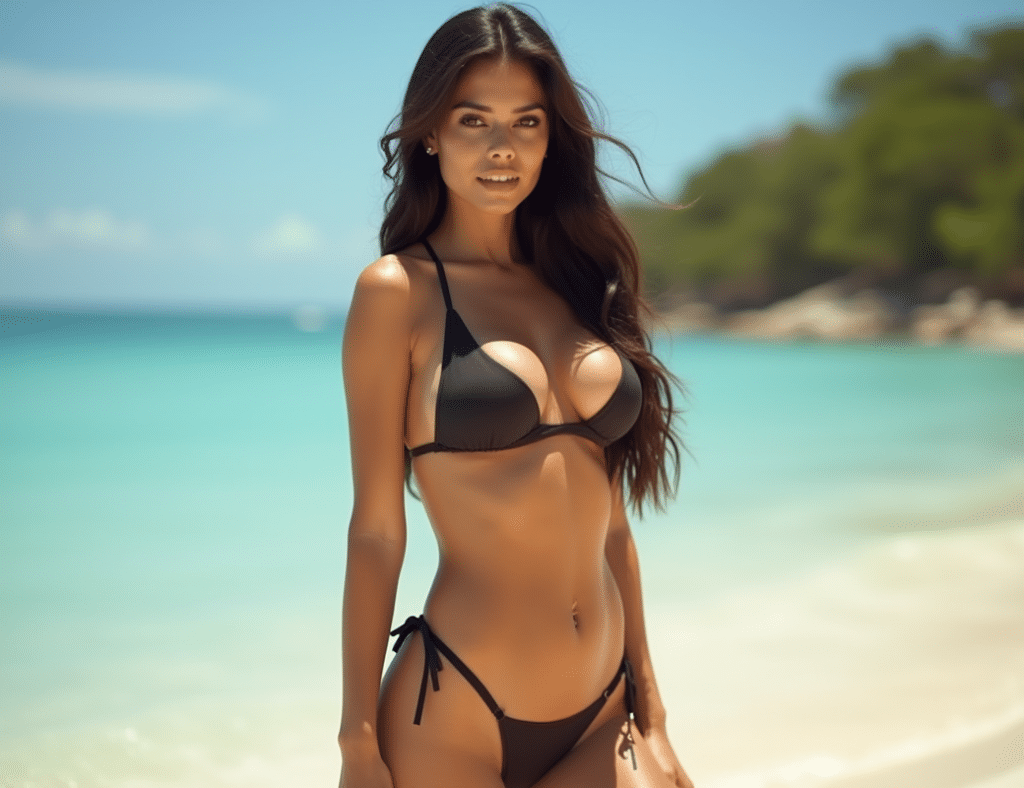
As we’ve seen, peer pressure plays a role in eating disorders and the higher your score on a body-image survey, the more likely you are to be diagnosed with an eating disorder. Culture informs the definition of beauty. Global media tends to level it out. Various cultures prize various body shapes, skin shades, and health or status indicators.
When global platforms privilege one set of traits, local values evolve and certain communities are caught in a tug of war between established standards and new arrivals. That friction modifies the way individuals work out, consume, and access care, and it can affect how they react to treatment. For instance, a study of 26 teens discovered that tailored cognitive behavioral therapy for body dysmorphic disorder enhanced symptoms, anxiety, and depression.
This shows that treatment needs to consider cultural context to function most effectively. Social media magnifies and accelerates these dynamics. As we’re perpetually exposed to airbrushed icons, comparison and perfectionism rise. Algorithms prioritize what receives the most engagement, which tends to be the most glossy posts.
The relationship between body image and activity is complex. Poor body image can reduce or misdirect motivation for physical activity, while exercise driven by shame can worsen mental health.
- Cultural influences that affect personal body image:
- International media and fashion standards.
- Celebrity endorsements and influencer culture.
- Local customs and racial ideals of beauty.
- Peer groups and school cultures.
- Social media algorithms and airbrushed photos.
- Economic and class cues associated with physical presentation.
Reclaiming Reality
Reclaiming reality means reclaiming control over how you view your body and the world in the wake of extended social media use. Overexposure to curated and edited images sets expectations, fosters perfectionism, and can fuel body dissatisfaction and disordered eating. Research connects online upward social comparison and curated self-presentation with increased perfectionism.
Other research finds that six to eight percent of teens may suffer from an eating disorder and meta-analyses demonstrate increasing incidence over the past two decades. The steps below emphasize actionable methods to mitigate damage and create a more grounded, durable self.
Curate Your Feed
Begin by unfollowing accounts that promote limited beauty standards or spark negative emotions, except those that depend on heavy filters, over retouching, or constant ‘before-and-after’ marketing. Follow creators who share unfiltered photos, normal bodies, or honest transformations.
- A body-positive advocate who promotes self-love and acceptance.
- A nutrition professional who shares easy and healthy recipes.
- A trainer who provides safe and effective workout routines.
- A creator from a different culture who showcases traditional practices.
- An inspiring story of someone overcoming personal challenges.
- A wellness coach who focuses on mental health and wellness.
- A fitness influencer who emphasizes the importance of inclusivity.
- A senior athlete who demonstrates that age is just a number.
- A young entrepreneur who promotes healthy living through innovative products.
Audit your follow list once a month. Block or mute repeat offenders. Curating is active labor. It staves off the slow intrusion of perfectionist standards and alleviates strain to replicate.
Digital Detox
Take routine app vacations to reduce your intake of glamorized photos. Experiment with a full day offline once a week or a daily screen-free evening. Monitor screen time and put hard limits in place. Use built-in app timers to halt scrolling after a defined amount of time.
Choose offline pastimes that provide fast victories and sensory response — cooking, hiking, sketching, or intramural sports. These actions anchor experience in tangible results, not hearts. Encounter people in person whenever you can. Direct contact minimizes warped comparison.
| Trigger | Alternative |
|---|---|
| If stressed | Call a friend |
| If bored | Read for 20 minutes |
| If anxious about appearance | Do a five-minute body scan or breath work |
These swaps decrease dependence on social media and foster healthy habits.
Mindful Consumption
Read critically. Be aware of posed shoots, lighting effects, and Photoshop. Ask: Was this image altered? What purpose does this post serve? Be moderate. Pick blocks of time for browsing and what kinds of content are permitted in each.
Build social media literacy: learn common editing tools and the business models that reward perfection. Maintain a brief diary recording your reactions to posts. Observe which accounts ignite comparison and for what reasons.
Eventually, patterns emerge and enable specific adjustments. Use these strategies together: curating, detoxing, and mindful viewing. Every small step diminishes the impact of manicured online standards, bolsters self-compassion, and begins to reconstruct a more grounded body-mind worth.
Systemic Shifts
Systemic shifts in media, education, and industry influence the ways in which bodies are viewed and evaluated. Perfectionism has increased over the last 30 years among young adults, linked to changing social mores that reward impeccable self-promotion. This change shows up in earlier onsets of disorders: the minimum age for conditions like eating disorders has fallen to about 12 years old. They indicate broad, systemic forces, not just personal decisions, are behind body dissatisfaction.
There is a growing demand that media, education, and the beauty industry make systemic shifts to combat body image ideals. The media commonly associates worth with sexiness through sexualization and self-objectification, which studies identify as risk factors for disordered eating mindsets. Advertising and editorial decisions continually display skinny frames and retouched photos.
It needs new standards and oversight that restrict photo manipulation, require obvious disclaimers on retouched shots, and support public campaigns that celebrate diverse, utilitarian body ideals. Beauty brands need to turn product messages away from correcting imperfection and instead focus on health, comfort, and authentic usage. Retail and runway need to expand sizing, lighting, and make-up standards to represent true diversity.
Promoting social media literacy programs in schools can equip our youth to combat perfectionistic pressures. Curricula should cover how algorithms prioritize edited content, how filters morph faces and bodies, and how social comparison influences feelings and decisions. Programs can use short lessons on the Self-Presentation and Upward Social Comparison Inclination Scale findings.
People with higher scores have greater odds of reporting eating disorder diagnoses. Educating students to identify upward comparison and to minimize exposure can reduce danger. Schools could collaborate with mental health professionals to start screening early. Logistic regression highlights associations between social media changes and disordered eating with odds ratios ranging from 1.94 to 2.58.
Encouraging brands, influencers, and content creators to focus on authenticity, diversity, and realistic depictions of beauty is essential. Makers should feature unfiltered footage, angle and light context, and talent and lifestyle-based narratives. Brands can underwrite creator deals that incentivize mixed-cast campaigns and mandate some percentage of content to be unretouched.
Other systemic shifts include influencer platforms adding friction to edit-heavy posts, like prompts that explain edits or display unvetted takes. Instead, suggest backing organizations and campaigns that fight body dysmorphia, eating disorders, and stigma over imperfections. Back hotlines, school-based screening, and community support groups for early intervention, as disordered eating behaviors soar and 93% of women say they want changes to more than one body zone.
Finally, fund research that employs a biopsychosocial model connecting social media use, self-presentation, and social comparison to body worries.
Conclusion
How chasing online perfection wrecks your body image and controls your behavior. Social feeds press that single narrow look. Filters, edits and trends establish a lofty standard. Teens and adults stop trusting what they feel and see. Real steps do help. Break the scrolling cycle. Follow some accounts that show real bodies, real age, real skin. Turn on screen time tools and limit daily use. Discuss with friends and family how photos make you feel. Brands can feature more types of people and ditch the phony tweaks. Schools and workplaces can educate about media skills and advertising literacy. Little steps accumulate quickly. Make one shift this week and observe the tension drop. Take the first step: pick one account to mute or replace today.
Frequently Asked Questions
Why does chasing online perfection increase body dissatisfaction?
Research demonstrates that continual comparison to retouched photos amplifies unrealistic standards. This drives self-criticism and diminishes body satisfaction.
How do edited and filtered images affect mental health?
Photoshopped photos warp the truth and cause us to feel obliged to achieve unattainable appearances. That pressure can lead to anxiety, low self-esteem, and disordered eating behaviors.
Can cultural differences change how people react to online perfection?
Yes. Cultural values inform beauty ideals and comparison targets. Retouched content continues to fuel discontent among cultures, albeit with differing catalysts.
What practical steps reduce the impact of online perfection on body image?
Here’s how to counteract this feeling of body dissatisfaction: limit your social media time, unfollow triggering accounts, follow diverse creators, and practice media literacy. Simple habit shifts reduce exposure and boost self-perception.
How can parents and educators help young people resist perfection pressures?
Educate on media literacy, foster critical thinking, set an example with moderate device use, and initiate body-positive discussions. Early direction cultivates grit and better habits.
Are there systemic changes that can lower online body pressure?
Yes. More obvious edited content labeling, platform algorithm transparency, and public health campaigns can all reduce exposure to unrealistic images and shift norms.
When should someone seek professional help for body dissatisfaction?
Get assistance if your obsession with appearance is disrupting your life, your eating, your mood, or your relationships. An experienced mental health or medical professional might provide diagnosis and treatment.