
Key Takeaways
- A Brazilian Butt Lift after weight loss requires careful assessment of donor fat availability, skin quality, and tissue integrity to achieve balanced body proportions and natural looking results.
- Keeping your weight stable and overall health good prior to surgery assists with safer surgeries and more durable results.
- The secret of fat transfer’s success lies in high-quality fat harvesting, purification, and injection methods from skilled and experienced surgeons.
- Realistic expectations and open discussions with your surgeon help your goals align and increase your satisfaction with the final results.
- Post-OP care such as rest, compression, and healthy habits is crucial to the best healing and result retention.
- Pairing BBL with other contouring procedures can enhance body shape and needs careful planning and professional advice.
BBL after weight loss for shape refers to leveraging a Brazilian Butt Lift to assist in making body lines more uniform when weight loss has resulted in flat-looking hips or butt. Many experience loose skin or less volume after they shed kilos.
BBL can reallocate fat volume from other areas to add fullness and enhance the shape, allowing better clothing fit and a more balanced appearance.
Part two will cover what to know before and after this step.
The Procedure
A BBL after weight loss can contour the body by using your own fat to pump up the buttocks. It’s an intricate process and needs careful planning and experienced hands to achieve a natural appearance. Every step from fat harvest to injection is critical to the ultimate shape and balance.
Fat Harvest
Surgeons begin by selecting donor sites with sufficient fat, such as the abdomen, flanks, back, or thighs. The decision is largely based on where the patient still stores fat post-weight loss. It’s not just volume; fat from these sites has to be healthy and good quality.
Liposuction is the prime method of harvesting this fat. A thin tube, the cannula, is utilized to delicately disrupt and suction fat, leaving nerves and blood vessels unperturbed as possible. This assists in maintaining the fat cells viable for transplant. The amount of fat removed depends on how much the buttocks require and how much can be provided without compromising the donor area’s appearance or functionality.
Or the surgeon’s skill. Removing too much or too little fat can alter body shape and even throw off one’s equilibrium. When performed properly, liposuction not only yields ample fat for the BBL procedure but helps to smooth and contour the donor sites, resulting in enhanced overall body shape. For instance, getting rid of belly fat can immediately make your butt look perkier and more rounded by comparison.
Fat Purification
When it’s taken out, the fat needs to be cleaned and sorted. It’s simple, but it has to be done carefully. The fat is spun or filtered to remove blood, oil, and fluids, so that only the healthiest fat cells remain.
This step matters because only robust, healthy fat will thrive once injected into the buttocks. If the fat isn’t cleaned well, it won’t keep and results can appear patchy over time. Utilizing innovative methods, such as closed-system filtration, maintains the sterility of the fat and reduces infection risk.
High-quality fat means the new shape lasts longer, and touch-ups are fewer. Better fat translates to the skin over your tush remaining nice and smooth — no bumps or dimples!
Fat Injection
The surgeon injects the purified fat into the buttocks in thin, even layers. It injects into muscle and just below the skin, not too deep or close to the surface. This layering is crucial for a soft, natural appearance and allows the fat cells to receive ample blood to survive.
How and where the fat is deposited defines the appearance. Small amounts are added in each area to prevent lumps. The surgeon needs to be exacting, particularly if the patient had significant weight loss with loose or hanging skin and uneven contours.
That careful placement ensures that your new curves harmonize with the rest of your body, providing a proportional and natural outcome. Post-operative swelling and bruising are expected. Patients don a compression garment for six to eight weeks to assist with swelling and shape.
You cannot sit directly on your buttocks for two to three weeks and only light walking is recommended initially. Those initial six weeks are most important for healing. Results can maintain for years as long as weight is stable, but significant weight fluctuations can alter the appearance or lead to sagging.
The Post-Weight Loss Canvas
Significant weight loss brings real changes to the body. Many see shifts in fat placement, skin tone, and tissue strength. These changes matter when looking at body contouring like BBL (Brazilian Butt Lift). For many, the post-weight loss canvas is marked by loose or thin skin, tricky fat stores, and a body shape that may not match personal goals, even after major effort.
Evaluating what is left—skin, fat, and tissue—sets the stage for planning any next steps.
Skin Quality
- Skin elasticity: After weight loss, skin may not snap back. Age, genetics, and stretch marks all have a say.
- Hydration: Well-hydrated skin bounces back better and heals faster.
- Nutrition: A diet with enough protein and antioxidants can help skin repair.
- Hormones: Hormone shifts after weight loss can change the skin’s texture and firmness.
- Lifestyle: Smoking and sun exposure can thin and weaken skin.
Loose skin trails after big weight loss. It might not contract by itself even with a high-quality exercise regimen. Some people require skin removal or tightening surgery in addition to BBL. A good regimen, including hydration, nutrition, and skin care, goes a long way, but loose skin can still impact the look of the final canvas.
Skin stretch and skin settling post-BBL sculpts the new butt contour. Thick, healthy skin tends to render a plumper, more polished appearance. Thin skin will expose more ripples or unevenness. Therefore, a practical perspective is crucial.
Fat Distribution
Weight loss shifts where fat adheres. Others lose buttock volume while fat still hangs in the thighs or belly. This can make the butt appear flat even if there’s sufficient fat around other areas.
If fat is unbalanced, it becomes more difficult to achieve a balanced butt shape with BBL. Surgeons seek fat deposits in the flanks, thighs, or abdomen that can be safely harvested. There is not enough fat in the right spots for fat transfer.
Lower body fat can help enhance the butt’s contour only if the tissue is thick enough to transfer. If there’s simply not enough fat left, non-surgical fillers such as Sculptra or Radiesse can provide a minor lift.
Weight swings post-BBL alter the result. Even minor adjustments can change the new form. Some BBL approaches like Liquid BBL allow patients to fine tune the aesthetic later with less downtime.
Tissue Integrity
The under-skin tissue strength and health makes a big difference in BBL success. Significant weight loss can attenuate tissue and this can restrict how much fat survives post-grafting.
Flimsy tissue can’t hold new fat cells, so surgeons occasionally resort to reinforcement or staged procedures. Healthy tissue encourages blood flow, which in turn keeps the new fat alive. Bad tissue can lead to extra swelling, sluggish healing, or uneven results.
If tissue is too lean or scarred, a few require additional measures such as employing mesh or incorporating non-fat fillers. Open discussion of weight loss history allows you to set realistic plans and course correct if initial results under deliver.
Your Candidacy
Qualifying for a BBL after weight loss takes more than interest in the procedure. Surgeons consider a number of aspects when deciding if the surgery is appropriate for you. These are good body health, stable weight, mental preparedness, and having sufficient fat to donate. A BBL’s right fit isn’t always age or gender. Life stage, body type, and goals all factor in.
- Should be at or close to your goal weight with no weight fluctuations for a minimum of six months.
- Have sufficient donor fat for graft, typically two to three times the desired volume.
- Without any major health problems or chronic illnesses that might interfere with the surgery or recovery process.
- Willing to stop nicotine use before and after surgery.
- Capable of adhering to aftercare guidelines for optimal fat retention and recovery.
- Pragmatic about outcomes and conscious of the possibility for college application surgery.
- Emotionally prepared and supported.
- Be honest with your surgeon about your complete medical history, any previous surgeries, and medications.
1. Weight Stability
Maintaining stable weight is crucial pre-BBL. Surgeons suggest being at your target weight for six months. If you’re still losing or gaining weight, results might not last. Weight shifts alter the way fat settles and can cause uneven or unpredictable results.
For instance, losing weight post-op can diminish the size of the transplanted fat, whereas gaining weight can make your buttocks bigger than expected. A healthy lifestyle—good nutrition and exercise—preserves them. Rapid weight fluctuations can delay recuperation, heighten dangers, and could potentially result in you being unprepared for the surgery.
2. Health Status
Your candidacy: A full health check is required prior to any major operation. Any chronic illness, for example, diabetes or heart disease, can increase risks or slow healing. Certain medications may impact the surgery or recovery. Past surgeries are significant as well, as they influence the manner in which fat is taken away or deposited.
Be open about your medical history with your surgeon. Living healthy—no smoking, good nutrition, and staying active—can help to hasten recovery and reduce the risk of complications. Nicotine users must discontinue weeks prior to and after surgery, as it can compromise fat survival and wound healing.
3. Available Fat
BBL needs adequate fat for good results. In other words, having sufficient donor fat, typically from the abdomen, thighs, or flanks, provides the volume required. Surgeons typically harvest two to three times the amount of fat that will be injected, as not all fat grafts survive.
Thin people are not very good candidates, and very thin people will probably have to explore alternative options, such as implants. Body type and natural fat distribution vary per individual and can be influenced by factors like age, genetics, or past weight fluctuations. A careful consult pinpoints where fat can be safely harvested.
4. Skin Elasticity
Skin that snaps back well following stretching is essential for natural, smooth results. Younger folks tend to have better skin elasticity, and genetics factor in significantly, as well. If skin is loose from significant weight loss or aging, it may not conform to the new form, resulting in sagging or irregularity.
Your skin before surgery—moisturizers, sun protection, and sometimes medical treatments—can strengthen the skin. Better skin elasticity means the transplanted fat melds more seamlessly and the finished contour appears more natural.
5. Mental Readiness
Having BBL is more than just a physical experience. Be sane and be realistic. Some pursue a BBL to enhance self-image, but it’s not a cure for inner wounds. Friends, family, or even a counselor can lend you support.
Candidates with a resilient disposition tend to bounce back better and be more content with their outcome. Having insight into the potential dangers, the requirement for subsequent appointments, or the opportunity for adjustment allows you to set expectations and prepare for the process.
Surgical Nuances
BBL after weight loss is more than just fat transfer. BBL involves extracting fat from the waist, thighs, or other areas and injecting it into the bottom. Every step alters the contour, texture, and final result.
Modern BBL employs micro-cannulas and tiny, concealed incisions to both harvest and inject fat, camouflaging any scars and facilitating a more seamless healing process. The right approach can really make a difference, especially post-major weight changes!
| Surgical Option | Benefit |
|---|---|
| Traditional BBL | Simple, proven, widely used |
| High-Definition BBL | More sculpted results, ideal for athletic look |
| Power-Assisted Liposuction | Speeds up fat removal, less trauma to tissues |
| Ultrasound-Assisted BBL | Targets stubborn fat, smooths skin, may help fat survival |
| Revision BBL | Corrects earlier results, uses new or old fat sources |
The surgeon’s skill is crucial. Even with identical instruments, outcomes differ. Surgeons educated in advanced BBL understand the optimal volume of fat to transfer, anatomical placement, and 3D sculpting techniques in order to create a natural result.
They manage risks, such as fat resorption or contour irregularity, and anticipate long-term changes as the new fat settles in 4 to 6 months. About 60 to 80 percent of the fat remains, altering the ultimate shape. Revisions can be done, frequently with fat harvested from previous grafting.
Combined Procedures
Pairing BBL with co-contouring surgeries, like tummy tucks or thigh lifts, can amplify the result. It’s great for those post-weight loss loose skin! Getting more than one procedure done at a time means only one recovery window.
It saves time, repeat anesthesia, and possibly even cuts costs. They typically want to address more than one area post-weight loss. We were pairing surgeries, so there’s a more balanced shape.
Surgical nuances, for instance, squashing waist and buttocks at once can even out the silhouette. It’s important to discuss objectives and hazards with your surgeon. For example, combining surgeries adds complexity and extends healing.
Grafting Techniques
Fat grafting is more than fat transfer. Surgical nuances regarding how the fat is handled, cleaned, and injected make a difference. Some surgeons employ mild, low-pressure suction to maintain fat cell viability.
Some even use fancy filters to purify lipo before reinjecting. Precise surgical techniques, where fat is deposited in small syringefuls at a time and in layers, increase survival. If injected too much at once, the body will not feed the cells enough and up to 50% can be lost.
Surgical nuances can keep complications down and sculpt more natural curves. Surgeons who know the best grafting techniques can select what works best for each individual.
Surgical nuances such as these, along with new tools and ideas like ultrasound guidance or micro-droplet injection, can help the fat stay and impart a smooth, soft shape.
Realistic Outcomes
While BBL after weight loss can sculpt and lift the buttocks, results are contingent on a number of factors. Most patients experience contour changes, but not all patients achieve dramatic size enhancement. Your body, your fat, and your skin are all factors to what’s possible.
The body naturally assimilates some of the transplanted fat. On average, roughly 60 percent makes it long term. Results are constant after approximately 90 days, though minor weight fluctuations within a month typically don’t affect results. Enduring pleasure depends on good nutrition and weight maintenance. Losing more than 4 to 5 kg will make the effects disappear.
Shape vs. Size
A BBL isn’t solely for increasing the size of your booty. The true benefit is in how it sculpts the body. Surgeons examine the entire silhouette — waist, hips, and thighs. For example, this implies that an individual with narrow hips will likely experience a more pronounced change in contour, while another with a wide frame could observe a more subtle enhancement.
We’re all built differently. For instance, a patient with a shorter torso may require less fat to sculpt an even appearance compared to a taller individual or one with a longer waist who may need a more sensitive touch. Personalized planning is essential.
A frank discussion with the surgeon about expectations helps align the result with your physique aspirations. Concentrating on shape rather than just volume tends to provide more satisfying and natural-looking outcomes.
Skin Tightening
BBL can help with mild skin laxity, particularly following weight loss. When more volume is needed, injected fat can fill out the space. Transferred fat can provide some lift and slight tightening.
It can smooth and firm skin, but only so much. If the skin is very lax or overextended, BBL by itself may not suffice. Certain patients will require supplemental procedures such as skin excision or non-surgical tightening to achieve optimal outcomes.
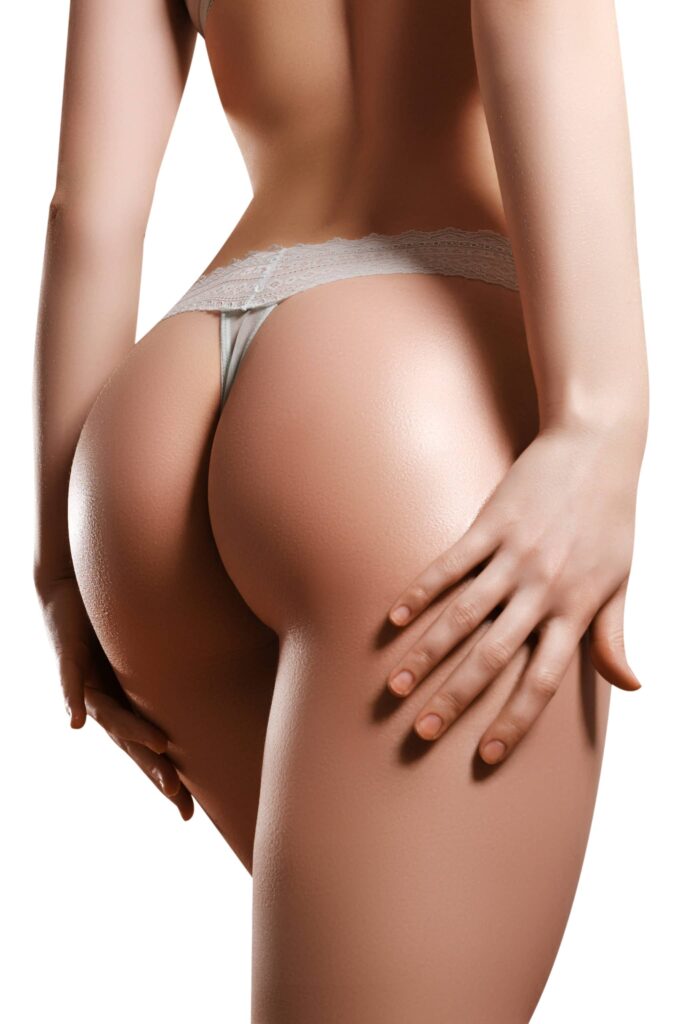
Fat transfer does increase skin quality and can make it feel more resilient. The tightening is dependent on how much skin is left to tighten. In mild cases, the BBL alone is sufficient to provide the buttocks with a more toned, voluminous appearance.
Symmetry
Balanced curves are a big BBL objective. Before beginning, surgeons measure any natural asymmetries, which can be more evident post weight loss. They employ meticulous fat grafting techniques to smooth disparities and craft a more balanced aesthetic.
Symmetry isn’t always spot on. Experienced hands can mend mild to moderate imbalances. Minor weight fluctuations following surgery, say a couple of kilos up or down, typically don’t change symmetry too much.
Yet, large changes in body weight can impact the ultimate appearance and proportion. Patients who maintain healthy habits and stable weight experience the most realistic outcomes.
Recovery and Longevity
A BBL after weight loss is a great way to enhance your figure, though the path to enduring results requires dedication. Recovery isn’t just about wounds. A lot from your habits to your doctor visits determines how well the new shape endures. It comes in phases, each with its own landmarks and regulations.
| Recovery Timeline | Key Milestones (Weeks) | Main Focus |
|---|---|---|
| 0–2 | 1–2 | Rest, manage swelling, wear garment |
| 2–4 | 3–4 | Light movement, avoid sitting |
| 5–6 | 5–6 | Resume gentle activity, check-ups |
| 7–12 | 7–12 | Most swelling gone, shape settles |
| 13–52 | 13–52 | Final results, long-term care |
The First Weeks
The initial two weeks after BBL are characterized by swelling and soreness. Most patients are stiff, and bruising is typical. Pain can be controlled with cold packs and prescriptions. Sleep on your stomach or side, never your back, to shield the treated area.
For four weeks, don’t sit for extended periods because pressure can damage the transplanted fat cells. Compression garments should be worn day and night for a minimum of 6 weeks. These dresses sculpt the booty and manage post-op swelling, making a true impact on the end result.
The fit should be tight, but not too tight, so as not to cut off circulation. Here, rest is key! Confine walking to mini excursions around the house and miss workouts for a minimum of a month. Reason in your day recovery and longevity.
These recovery tips can facilitate a quick healing process. Patients who follow diligently usually experience improved fat survival and a more refined contour. Skipping steps like not wearing a garment or sitting too soon can sabotage its effectiveness.
Long-Term Care
Maintaining results is about respecting your body daily. A stable weight matters since big fluctuations of more than 5 kilos will cause the new shape to sag or migrate. The fat cells transferred in BBL require recovery. Just about 60% stick long-term, while the remainder is either sloughed off or absorbed.
Daily workouts and nutritious meals nourish the new fat cells. Some cardio, weight training and a lot of lean protein, grains and vegetables keep the volume added. Heavy weight loss post BBL can reverse the results. Weight gain, on the other hand, can alter the shape in unexpected ways.
Occasionally, you may require a touch-up surgery. This is okay; bodies mend in their own way. Regular follow-ups with your surgeon remain vital, particularly in the first year. They can identify problems early and recommend changes if necessary.
So much changes in that first year! Swelling subsides, and the results become final by month 12. After that, it can last for years, assuming you stay healthy. Check in with your doctor once a year to measure changes and receive guidance.
Conclusion
BBL after weight loss to bring back shape, body lines. Most of us have loose skin or flat spots after weight loss. A BBL uses your own fat to fill these spots and even out the appearance. The procedures and recovery are slow, but the majority observe a drastic difference. Not everyone achieves the same shape or lift, and results persist as long as you maintain a stable weight. Good food, daily walks, and check-ups help hold the shape. To find out more or to see if this is right for you, consult with a board-certified surgeon. Come with your questions and aspirations. A chat can give you concrete answers and help you take the next step with confidence.
Frequently Asked Questions
What is a BBL after weight loss?
A BBL after weight loss is a surgery that sculpts your butt using your own fat. It gives you volume back and contours better balance.
Who is a good candidate for BBL after weight loss?
Good candidates are healthy adults with stable weight and enough fat for transfer. A consultation with a board-certified surgeon is required for evaluation.
How does weight loss affect BBL results?
Extreme weight loss results in extra skin and less fat. This can affect the quantity and quality of fat available for transfer and outcomes.
What are the main benefits of BBL after weight loss?
Advantages include rejuvenated body contour, restored buttock volume, and boosted confidence. This procedure uses your own fat for natural-looking results.
How long does recovery take after BBL?
Most folks return to normal activities at two weeks. Full recovery and final outcome can take up to six months.
Will the results of BBL last after weight loss?
Results are permanent if you keep your weight stable. Major weight change after surgery can impact shape and volume.
Are there risks unique to BBL after weight loss?
Yes, there can be more loose skin and fat retention rates can differ. Selecting a qualified, experienced surgeon mitigates risks.