
Key Takeaways
- Fat cell kinetics in BBL outcomes. Both native and transferred fat react to weight loss and impact results down the line.
- Keeping the weight off following BBL is critical. Major weight loss can decrease buttock volume, change the shape, and diminish skin tautness, influencing the appearance.
- Patients who have undergone significant weight loss, like post-bariatric patients, may need a more individualized surgical plan to restore proportional, balanced body contours and attain the best outcome.
- Choosing a skilled surgeon and setting realistic expectations are essential. Good communication means the surgeon and patient are on the same page regarding the procedure and expected outcomes.
- Proper nutrition and exercise can help maintain your BBL results for as long as possible. Proper weight management preserves those new contours.
- Surgical and non-surgical skin tightening options can refine skin quality and optimize the final result after BBL and weight loss. Meeting with an experienced professional can help decide the appropriate course.
BBL results after weight loss can shift your body’s appearance, resulting in less plumpness in the hips and buttocks. Weight loss can result in fat loss in the BBL-treated areas, making the results less round or soft than prior to the procedure.
We tend to experience changes in shape and size and things don’t always fit the same way. More on what to expect and ways to keep results follow!
Fat Cell Dynamics
Fat cell dynamics contour how your butt looks post-BBL procedure, particularly when you experience significant weight changes. While both your original fat and your transferred fat from the fat graft react to weight changes, they do not necessarily respond in the same manner. Understanding these distinctions is crucial for anyone monitoring their BBL results after weight loss.
Native Fat
Native fat is the fat your body naturally deposits in your buttocks. It sculpts the butt’s appearance, touch, and dimensions preoperatively. How this fat sits is based on genetics, lifestyle, and overall body weight.
When someone loses a significant amount of weight, the native fat cells in the butt shrink and become less full, resulting in a flatter appearance. The distribution of native fat shifts following weight loss as well. For instance, some individuals burn more fat around the hips and butt, whereas others shed it from the thighs or abdominals initially.
This uneven loss can alter your body proportions, causing your butt to look smaller than the rest of your body. Quick or significant weight loss can influence the quality of native fat as well, occasionally leaving the skin with less support and a looser appearance. Native fat is connected intimately to body shape.
When you lose native fat, your entire body’s curves and proportions change so it’s hard to maintain that same LOOK that you once had.
Transferred Fat
Transferred fat is fat that is relocated from another part of the body to the buttocks during a BBL. Its primary function is to provide padding and contour. Once transferred, this fat requires establishing a connection with a new blood supply to sustain and integrate into the recipient body.
The initial six weeks post surgery are most important, as this is when the fat cells settle and begin to establish themselves. How much transferred fat sticks around depends on several things: body care after surgery, the technique used, and how much swelling or inflammation is present.
Not all the fat makes it through; somewhere between 60 and 80 percent is still there a few months out.
- Surgeons harvest fat using gentle liposuction and then purify it prior to injection.
- Small quantities are injected at varying depths to maximize fat survival.
- Patients are instructed not to sit or lie on their buttocks for weeks.
- Compression garments are used to control swelling and aid healing.
Fat being absorbed into your body is natural. Over time, some of the transferred fat may atrophy if you lose a significant amount of weight, which would alter the butt’s size and shape.
Weight Fluctuation
Weight fluctuations after a brazilian butt lift can modify the appearance of the results. If you gain a significant amount of weight, both native and transferred fat cells can expand, resulting in buttocks larger than intended. Weight gain causes fat cells to expand and multiply, impacting your butt lift journey.
To maintain your BBL results, it’s crucial to remain at a stable weight. Rapid weight fluctuations affect more than just the booty; they alter how the rest of our bodies appear in comparison.
During those first ninety days post-surgery, the shape and size of your backside will start to settle, but swelling can persist for months, initially obscuring the final results. Post-BBL weight management revolves around consistent healthy decisions.
Balanced meals, movement, and no extreme diet changes all help maintain results. For you Liquid BBL cinderellas, yes, little weight swings can count, but dermafiller’s don’t melt off with weight loss.
Weight Loss Impact
Weight loss has actual effects on the body, particularly for those who’ve had a butt lift or are anticipating a brazilian butt lift. The BBL is designed to accentuate curves by transferring fat from elsewhere to the buttocks. Once you lose weight, those fat cells can shrink, impacting the appearance of your BBL result. Most clinics recommend waiting until your weight is stable for 3 to 6 months before surgery, ensuring you receive a plan that aligns with your aesthetic goals.
1. Volume Reduction
As a consequence of significant weight loss, the buttocks tend to lose their volume and fullness. That’s because the fat cells transposed during a BBL can deflate like any other fat cell. While a BBL can provide a more voluptuous appearance, the outcome is contingent on sufficient residual fat. If you lose too much weight, your butt can end up looking flatter than prior to the procedure.
Weight Loss Influence – soft tissue volume loss. That’s why maintaining a stable weight post surgery is crucial for long-term outcomes.
2. Shape Alteration
It’s not just about size — the shape of your booty can change after weight loss, too. When the body slims down, that curvy, lifted effect from a BBL can dissipate or become lopsided. Proportions matter for a good outcome, and losing fat in one place but not another can disrupt the harmony.
Some people see their hips or thighs appear slimmer so the butt does not pop out as much. When this occurs, physicians might resort to novel surgical techniques to restore form, such as fat grafting or liposuction contouring. Every case is unique, so it’s designed for each individual’s needs and body.
3. Skin Laxity
Significant weight loss can make your skin loose and sagging, particularly around your buttocks. Skin elasticity plays a role based on your age, genetics, and the amount of weight lost. When skin can’t bounce back, even a well-baked BBL might not hold.
Good skin quality keeps the new shape stick and look smooth. If there’s a lot of loose skin, some individuals opt to combine BBL with skin tightening or a lift. This helps make a result that matches their objectives.
4. Proportional Changes
Weight loss affects how your entire body looks, not just your butt. Losing fat in the tummy, thighs, or hips can cause the butt to look deflated, even if the actual size hasn’t changed very much. Even proportions are required for a natural, attractive effect.
A BBL can help restore curves post-weight loss, but it’s most effective when the body’s silhouette is taken into account. BMI is important. They require sufficient fat for the treatment and outcomes are more sustainable if you maintain a stable weight.
The Post-Bariatric BBL
Body contouring after big weight loss is a challenge. A Brazilian Butt Lift can help resurrect those curves that may have faded after dropping tons of weight. Post bariatric surgery patients typically want to address sagging skin, concavities or irregular contours. These are typical concerns after losing a ton of pounds.
Not all of us are immediately ready for a BBL. Doctors will have patients reach a stable, healthy weight first. This aids in reducing risks and provides superior, longer-lasting results. Customized surgical plan is critical for post-bariatric BBL patients. They’ll examine how much fat remains to transfer and where it can be harvested.
A lot of post-bariatric patients have less fat in common donor areas, such as the lower back or thighs. Sometimes multiple harvest areas are required to obtain sufficient fat for an optimal BBL. Surgeons can examine you for lax skin, weak tissue, or abdominoplasty scars from previous operations. Any of these can alter the way the BBL is performed.
For others, additional measures may be required, such as excising additional skin or reinforcing vulnerable areas. The plan has to fit the person, not just the operation. A BBL after massive weight loss can restore curves and proportion. It plumps the buns, contours the hips, and trims the waist.
This contour boost can help clothes fit better and build confidence. For most, the BBL is the final leg in a marathon. It makes them feel like they belong in their new body. Nice results hinge on fat survival. Typically, 60 to 80 percent of the injected fat remains.
The remainder is assimilated by the body within a couple of months. Swelling and bruising are normal and can last a week or more. The swelling subsides in phases, and the definitive contour will emerge approximately three months postoperatively. The recovery isn’t fast. Patients cannot sit directly on their buttocks for a minimum of two weeks, sometimes as long as eight, to help the fat settle and survive.
Here is a quick look at things to keep in mind for post-bariatric BBL:
| Consideration | Details |
|---|---|
| Timing | Wait for stable, healthy weight before surgery |
| Donor Fat Availability | More limited, may need several areas for harvest |
| Skin Quality | May need extra steps for loose skin or weak tissue |
| Recovery Time | Longer, with limits on sitting (2-8 weeks) and normal swelling/bruising |
| Fat Survival Rate | 60-80% of transferred fat stays; rest is absorbed by the body |
| Long-Term Results | Can last 5+ years if weight stays stable |
| Advanced Techniques | Used to help more fat survive the transfer |
Cutting-edge techniques assist more fat to thrive, resulting in enhanced, extended outcomes. Provided folks maintain a consistent weight and lifestyle, the BBL can endure for more than five years. Others relish their new form for over a decade.
A Surgeon’s Perspective
From a surgeon’s perspective, BBL results once you lose weight reflect meticulous planning, expertise, and transparent collaboration between patient and physician. The goal is not only to sculpt the buttocks but to establish a body contour that appears organic and confidence-enhancing.
Surgeons don’t stop at the operating room; they walk patients through every stage, from selecting the ideal candidates and managing realistic expectations to applying artistry to contour each individual physique.
Patient Selection
Surgeons seek patients who still have some fat reserve left in other areas, such as the thighs or abdomen, to harvest and transfer. If you lost a lot of weight, you might not have enough ‘donor’ fat, so close monitoring is crucial.
Health history is important as well. Surgeons inquire about previous surgeries, existing medical conditions, smoking habits, and lifestyle. Smoking and nicotine reduce fat survival post-surgery, so most surgeons advise patients to quit well in advance of the procedure.
Realistic expectations are a necessity. Patients that have a good sense of what BBL can do versus what it cannot do are much happier with the results. Surgeons discuss the influence of body contour, skin laxity, and inherent fat deposits on the outcome.
Motivation has something to do with it, too. Folks who desire shape enhancement for health or self-esteem reasons are typically much more dedicated to the aftercare that makes results last.
Managing Expectations
Most surgeons emphasize that the initial six weeks are critical for healing. They provide very specific aftercare advice on how to sit, when to move, and when to wear compression garments.
Swelling and all kinds of alterations are expected at this stage, so it’s just a matter of waiting. The long-term results emerge around the three-month mark, but the body continues to heal up to six months.
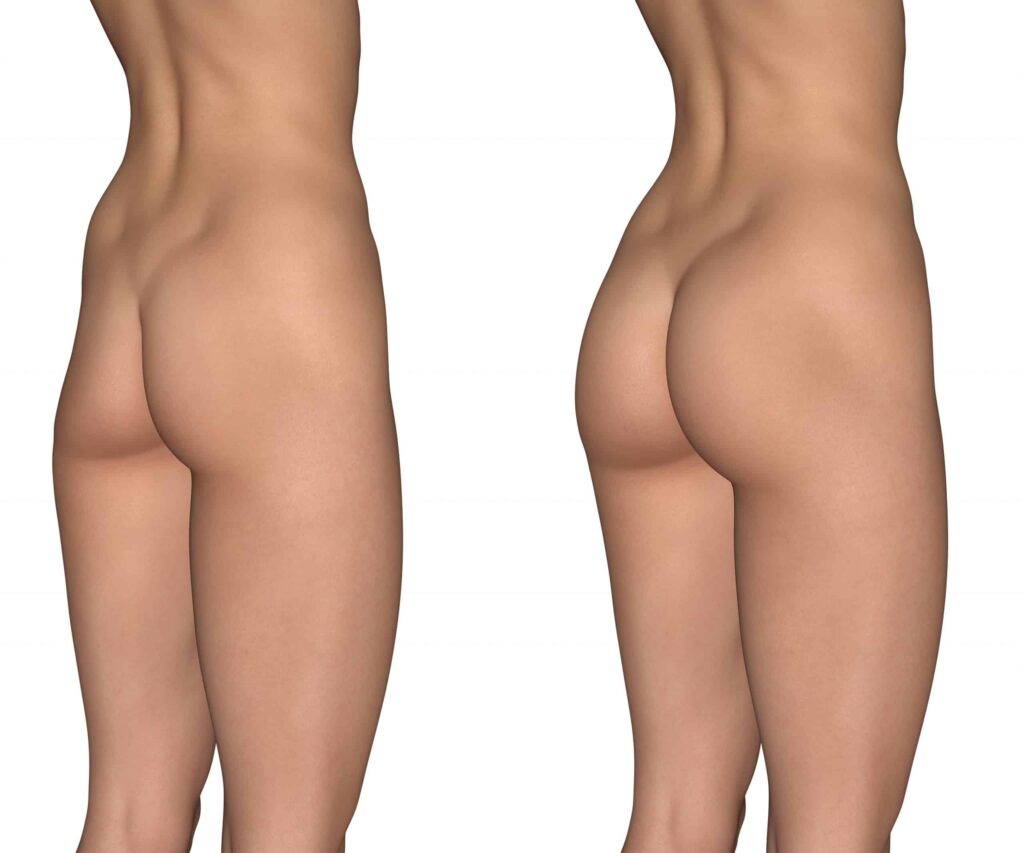
Results can differ from patient to patient. Skin elasticity, age, and the amount of fat that survived the transfer all factor in. Open and candid communication between surgeon and patient keeps surprises at bay.
Surgeons encourage patients to maintain their weight with balanced eating and exercise because significant weight fluctuations after surgery can alter the appearance of the BBL.
Artistic Challenges
BBL is more than just a procedure. It’s an art. Surgeons sculpt the buttocks to complement the body’s contours. They apply different techniques, such as layering the fat in thin slices and sculpting the sides, to make it appear authentic, not excessive.
Symmetry and balance are huge targets in every case. Surgeons compare both sides throughout, making adjustments to keep things even. Every body is different, so the plan varies for each individual.
Some require more shaping, some require less. Surgeons have experience and know what looks best on each individual shape.
Preserving Your Shape
BBL results fluctuate with significant weight changes, so maintaining your new shape requires smart daily decisions. Your shape after the Brazilian butt lift procedure depends on how you treat your body in the months and years ahead. Here are key strategies to help maintain your post-BBL silhouette.
- Maintain your shape by managing what you eat and how you move.
- Think about nutrition that supports your skin, muscles, and new fat cells.
- Maintain a consistent exercise regime for muscle tone and a steady weight.
- Wear a compression garment for six to eight weeks as recommended.
- Sit with a BBL pillow and no direct pressure on your buttocks for 2 to 3 weeks.
- Stay hydrated and avoid smoking for better healing.
- Stick to your surgeon’s care plan, particularly during the first six weeks.
- Don’t fret little weight fluctuations. They’re natural and won’t damage your gains.
Nutrition
- Eat a combination of lean protein, such as fish, chicken, and tofu, and healthy fats, like avocados, olive oil, and nuts, to fuel your healing and assist your body in maintaining those new fat cells.
- Good food keeps skin taut and increases circulation, so the transplanted fat has a better chance of sticking around. As your body stays healthier, you heal quicker.
- Just a few changes, like opting for whole grains over white bread or reducing your sugar intake, can seriously help you maintain your weight post-BBL. Steer clear of crash diets that cause weight swings and shrink fat cells. Those will affect your results.
- Sit up straight and drink enough water daily to keep down swelling and help fat cells meld into your body. Hydration is good for healing and skin stretch.
Exercise
Begin light walking as soon as possible after surgery to enhance circulation and quicken healing. Once you receive the all clear from your physician, include strength work for your legs, core and glutes to help support the new form.
Squats, lunges and bridges are fantastic, but avoid high-impact motions until you’re given the green light. No strenuous exercise or heavy lifting for the initial 6 weeks because the new fat cells require time to settle.
This downtime reduces the chances of dislodging fat or damaging the recovery site. Once you’ve recovered, a cardio and weights workout routine will help maintain your weight and keep it steady, which is crucial if you want to keep the results long term.
Timing
While most can begin light walks immediately, full exercise is often a six or more week wait. It takes months for your final BBL shape to reveal itself, as swelling subsides gradually and fat cells require time to set.
Don’t be in a rush; you’ll have to wait three to six months for the complete effect. Being patient counts. Going back too soon to hard workouts or sitting up can wreck your result.
The initial weeks are when the new fat cells bond with your body, so heed all my advice carefully. Waiting is worth it because this is when enduring form takes hold.
Skin Tightening Options
Skin tightening is an integral part of post weight loss body shaping, particularly for BBL patients. If your skin has lost its stretch or sags with weight loss, various treatments can tighten it to make BBL results appear smooth and even. Non-surgical and surgical choices exist, and each has its advantages and limitations.
| Option | Type | Method | Results | Downtime |
|---|---|---|---|---|
| Radiofrequency (RF) | Non-invasive | Energy heats skin, boosts collagen | Gradual, mild | None-minimal |
| Ultrasound Therapy | Non-invasive | Sound waves target deep skin | Gradual, mild | None |
| Chemical Peels | Non-invasive | Acid removes top skin layer | Mild, surface | Minimal |
| Microdermabrasion | Non-invasive | Abrasive tip polishes skin | Mild, surface | None |
| Laser Treatments | Minimally invasive | Laser heats layers, tightens | Moderate | Few days |
| Facelift | Surgical | Removes, lifts facial skin | Dramatic, lasting | Weeks |
| Body Lift | Surgical | Removes, tightens body skin | Dramatic, lasting | Weeks |
Non-surgical options such as radiofrequency and ultrasound actually operate through heating deep layers of the skin. This helps the body generate new collagen. Collagen is what keeps skin springy and firm.
These options are popular because they don’t break the skin and most people can return to normal life immediately afterwards. One visit is typically not sufficient. Multiple treatments separated by weeks are often necessary for optimal results.
There can be some mild swelling or redness, which fades in a couple of days. Other non-surgical options such as chemical peels and microdermabrasion can brighten and smooth skin, but these treatments address only surface issues and do little to lift sagging skin.
If you’ve got a lot of hanging skin, surgery might be your best bet. Facelifts and body lifts can get rid of loose skin and pull what’s left snug. These surgeries are more invasive, with extended recovery periods, but they provide powerful, persistent results.
You should weigh the risks and consult with a qualified physician about whether it’s right for you, since not everyone is a candidate, particularly individuals with certain health issues or skin types.
Skin tightening works alongside BBL results, smoothing the appearance of the body and ensuring the skin conforms perfectly over new curves. This can increase confidence and extend results. The effectiveness depends on age, skin type, and lifestyle. Good nutrition and regular exercise can help maintain firm skin.
Conclusion
Fat around the treated spots can shrink, and form can alter. Skin can sag if weight drops rapidly or significantly. For some, their shape will hold up beautifully, while for others, a skin fix is just what they need to feel amazing. You always hear doctors say to get to a stable weight before surgery for the optimal look. Support, care, and clear objectives keep results on course. There are many ways to maintain the shape, ranging from easy habits to skin therapies. For additional advice or to find out what works for you, consult a board-certified physician. Ask questions, receive clear responses, and choose the plan that fits your goals.
Frequently Asked Questions
Can you lose BBL results after weight loss?
BBL results post weight loss can vary, as fat cells injected during the Brazilian butt lift may shrink with significant weight changes.
How does weight loss affect fat cells after a BBL?
Following a Brazilian butt lift, fat cells in the buttocks behave like any other fat cells. If weight loss patients experience significant weight changes, these cells shrink, decreasing fullness and altering the shape.
Is a BBL safe after major weight loss or bariatric surgery?
BBL after weight loss or bariatric surgery is feasible and requires careful planning. Skin quality and residual fat impact results. Consult with a board-certified plastic surgeon for individualized recommendations.
Will skin sag after a BBL if I lose weight?
Skin can sag post-bbl procedure if you experience significant weight changes. Your skin won’t necessarily tighten completely, especially if it was already stretched.
Can exercise help maintain BBL results after weight loss?
Exercise will sustain muscle tone and some shape to the buttocks, but it can’t stop fat cell shrinkage if weight loss patients experience significant weight changes.
What are options if my skin is loose after weight loss and BBL?
If you’re dealing with loose skin after significant weight changes and a Brazilian butt lift, skin tightening treatments or surgery can assist. Talk to a plastic surgeon about your butt lift journey options.
How can I preserve BBL results during weight loss?
To retain Brazilian butt lift results post weight loss, lose weight slowly and maintain a consistent weight following the BBL procedure while following your surgeon’s advice for the best outcomes.