
Key Takeaways
- Banana rolls are those hard-to-lose fat deposits that hide underneath your buttocks and can stick around even after dramatic weight loss. Both of these factors can wreak havoc on body confidence.
- The best procedure for you depends on your specific case and your surgeon’s advice and may include liposuction after weight loss or perhaps non-surgical alternatives.
- Banana roll lipo candidates need good skin elasticity, steady body weight, and reasonable expectations.
- Recovery from banana roll liposuction involves managing side effects, wearing compression garments, and following aftercare instructions for optimal healing.
- Non-surgical treatments like cryolipolysis and radiofrequency provide minimally invasive options with minimal downtime and typically require multiple sessions.
- It’s important to live a healthy lifestyle with balanced nutrition and exercise to maintain results and avoid banana roll fat from returning.
Banana roll lipo after weight loss is a type of liposuction that targets the small fat rolls under the buttocks. They are little pockets of fat that everyone notices stick around even when you lose weight with diet and exercise.
Banana roll lipo employs tiny tools to remove this persistent fat and help contour the lower body. If you’re considering body contouring after weight loss, this can be one of your options. The paragraph below explains in more detail.
Understanding Banana Rolls
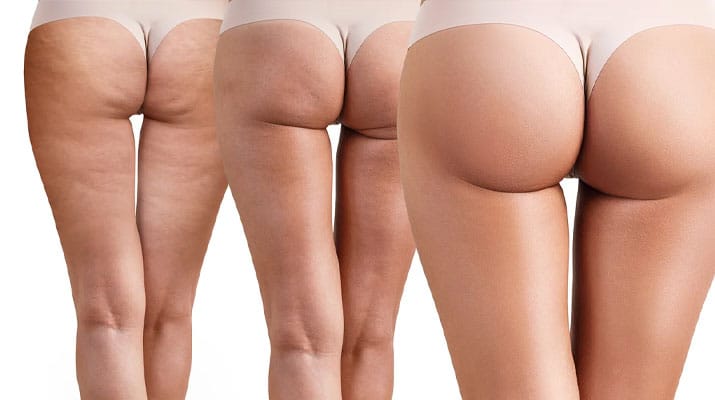
Banana rolls are the crescent-shaped fat deposits located just underneath the buttocks at the upper thighs. This area is known as the infragluteal fold. The fat here can break the line between the butt and thigh, creating a less defined shape.
These rolls have nothing to do with your overall body weight, which is why they plague us even after we’ve shed the pounds. Most of us hate banana rolls because they can linger in spite of a clean diet and a diligent workout routine, making you feel self-conscious and less confident about your appearance.
If you’re in the camp of a smooth, balanced silhouette, banana rolls become the enemy. Non-surgical and surgical treatments are designed to help restore balance in body contour by eliminating or debulking these resistant fat pockets.
Anatomy
Banana rolls hang out along the lower rim of your buns, just where your glutes meet the back of your upper thighs. They’re located in a natural fold that develops as the booty sticks out and the thigh descends.
The culprit fat is predominantly subcutaneous, or sitting just under the skin. Subcutaneous fat is hard to move and it’s affected by genetics and hormones. The skin and muscles here contribute as well.
If the skin loses its bounce, typically as a result of age or fluctuations in weight, the region can sag, causing banana rolls to appear more prominent. Muscles in the glutes and thighs also affect the contour and firmness of this lower buttock area.
How fat distributes itself on your body is individual. Certain people are just more susceptible to storing fat in the lower body and this can cause banana rolls to develop, no matter how fit or thin they are.
Causes
- Genetics and natural fat distribution patterns
- Hormonal changes, especially related to aging or pregnancy
- Large weight changes, both gain and loss
- Loss of skin elasticity as people age
- Sedentary lifestyle and lack of muscle tone
- Diet high in processed foods and refined sugars
Weight that yo-yos can make banana rolls more likely by leaving behind those pockets of fat that don’t shrink as easily as other areas.
As we get older, skin gets loose and this lack of tone makes banana rolls more prominent. General exercise and a healthy diet, of course, help control total body fat, but for many, these alone will not eliminate banana rolls.
Some resort to non-surgical skin toning that will tighten the area while others opt for surgical procedures such as liposuction for bolder results.
Post-Weight Loss
Rapid weight loss can leave you with loose skin and fat pocket areas, particularly in the lower buttocks. Even with a lean body, banana rolls can linger, leaving you feeling like your hard work has been for nothing.
This can play havoc with self-esteem and body image, sometimes more than anticipated. For those who want a tighter look, hard-hitting treatments like liposuction or skin toning can sculpt the region.
It’s important to have realistic expectations about what treatments can accomplish. Your body might not be flawless, but there are ways to help contour it after weight loss.
Liposuction Candidacy
Banana roll lipo after weight loss is not an algorithmically predictable panacea. Candidacy is a combination of physical, medical, and mental considerations. Banana roll liposuction candidates are those who seek liposuction of banana rolls. This is the curved swath of fat underneath your buttock that resists diet and exercise. Good health, stable weight, and realistic expectations are key when considering this body contouring option.
1. Skin Elasticity
Skin elasticity is a big factor in what the body looks like after banana roll liposuction. Results look smoother and more natural when skin snaps back well. Collagen, a protein that keeps skin firm, decreases as you age, which makes recovery slower and sometimes less predictable.
Poor elasticity appears as loose, stretched, or sagging skin, which can cause uneven results once the fat is removed. If you have prominent stretch marks or thin skin in your banana roll, lipo may not be your best bet. This is why surgeons examine skin quality thoroughly during pre-op visits, commonly employing a pinch or simple stretch test to estimate how skin will respond after fat removal.
2. Fat Deposits
Banana rolls develop when fat accumulates underneath the buttocks. These fat pockets can be especially tenacious, frequently lingering even after you’ve shed pounds or worked out the area. Banana roll fat is difficult to reposition with diet alone, as the body likes to cling to fat stores in this particular region, particularly after substantial weight loss.
Subcutaneous fat, which is just beneath the skin, is the primary type involved. It can be more stubborn than deeper visceral fat. Where fat sits and how thick it is helps the surgeon plan the best approach. That is why even some healthy weight people have banana rolls.
3. Body Weight
Maintaining a consistent weight is crucial for banana roll lipo candidates. Large weight fluctuations post surgery can alter outcomes, resulting in unevenness in the area or new pockets of fat. Most surgeons recommend candidates be within 10 to 15 percent of their ideal weight, having maintained it for several months.
This stability ensures results last longer. A healthy lifestyle with exercise and balanced meals is equally important to maintain the changes post-surgery.
4. Health Status
Certain health conditions, such as uncontrolled diabetes, blood clotting problems or immune issues, preclude liposuction. Your full health check-up is required before booking surgery to reduce risk. Other medications, especially blood thinners or those that alter healing, could sway the process as well.
Be sure to provide your surgeon a complete medical history, including mental health or previous surgeries.
5. Realistic Goals
They need to understand what banana roll lipo is and isn’t capable of. Remember, liposuction sculpts and it’s not for weight loss. Everyone has a different build, skin, and fat pattern; it’s different for everyone and therefore results will be different.
Knowing what to expect prevents disappointment. Transparent discussions with the surgeon ensure objectives and potential outcomes align.
The Procedure
Banana roll lipo is a term coined for the very specific band of stubborn fat just underneath the butt, where the upper thigh meets the lower butt curve. This region, known as the banana roll, tends to cling to fat even after weight loss.
Take for example loose skin from significant weight fluctuations; this can really cause these rolls to pop out. Liposuction in this location sculpts a more elegant line from your buttocks to your thighs. The procedure can be performed in isolation or in conjunction with other body contouring surgeries, particularly for patients addressing multiple trouble areas after massive weight loss.
Various techniques are employed to accommodate each individual’s shape, skin elasticity, and goals. It typically begins with anesthesia. Then, tumescent fluid is pumped into the region to assist in fat disruption and reduce bleeding. The surgeon suctions out the fat using a thin cannula.
It is seeing a surge in popularity, according to some clinics, as part of a rising interest in pinpoint body contouring.
Consultation
The initial part of banana roll lipo is the consultation. This consultation molds the entire therapy program. The surgeon checks skin quality, fat thickness, and seeks other areas that require attention.
They examine the patient’s medical history and any previous surgeries, which is important as scar tissue or old incisions can impact results. They prepped their patients to inquire about the specifics of the operation, the dangers, and what outcomes to anticipate.
This transparent talk establishes trust and clarifies expectations for both parties. It’s a great opportunity to talk about non-surgical options, like Morpheus8, if someone wants tighter skin tone but doesn’t necessarily need fat eliminated.
A good consultation results in a personalized plan for each individual, from anesthesia preferences to aftercare to what areas to treat.
Technique
Banana roll lipo employs multiple techniques. The most typical is tumescent liposuction, which begins with a saltwater solution combined with a local anesthetic to assist in reducing pain and swelling.
The surgeon then sucks out fat with small tubes called cannulas. Other options include vaser liposuction, which utilizes ultrasound to emulsify fat for more even results and less skin trauma.
Laser liposuction is another option. It liquefies the fat with concentrated light, making it easier to suction out and can assist in skin tightening. The technique selected can minimize healing and impact the naturalness of your results.
The surgeon’s art in selecting the appropriate technique is crucial. They have to know what works best for different skin types, fat levels, and recuperation.
Contouring
Contouring sculpts the region post-liposuction. The idea is to maintain the natural dip under the butt and form clean lines from the thighs to the butt.
Getting symmetry and balance is so important, particularly if you have loose skin from losing weight. The surgeon needs to estimate how much fat to remove without causing a flat and uneven appearance.
Here’s where artistic sense enters the picture. The right eye prevents overcorrection and maintains the body’s curves, looking real. Patients ought to discuss the appearance they desire. If they bring photos or describe their goals, it helps the surgeon plan the shape more clearly.
The Surgeon’s Perspective
Banana roll liposuction requires more than technical expertise. Surgeons have to read the patient’s body and mind, compensate for varying anatomies and stay ahead of innovations. Banana rolls nestle under the buttocks, above the thighs and can be notoriously resistant to weight loss. Extracting them is not merely suctioning fat.
It’s about contouring the space to appear organic and complement each individual’s figure. Surgeons encounter a combination of physical and psychological hurdles, particularly because banana roll fat sometimes does not correspond with a patient’s general body weight.
Artistic Challenge
Contouring the banana roll region is more than simply extracting fat. From a surgeon’s perspective, the surgeon has to sculpt the curve so it flows with the natural lines of the thigh and buttock. If you over-treat that area, you’re going to cause hollowness or unevenness. If under-treated, the roll can stick around.
This begins with outlining the area, then injecting tumescent fluid to minimize blood loss and assist with fat emulsification. We place incisions in locations that will best hide after they heal. These moves require not only expertise but a sense of aesthetics.
Every body is unique. To a surgeon, a judgment must be made about how much fat to take out and how much to leave. For instance, a patient with tight skin may heal with a smoother result than an individual with lax skin. There is no cookie-cutter answer here.
Surgeons apply their aesthetic intuition to every maneuver, which is a fusion of the technical and artistic.
Patient Psychology
Banana roll lipo patients typically come in after they’ve lost a lot of weight. This makes them feel bittersweet—proud of their accomplishment, yet irritated by remaining fat. Others have body image issues that transcend the corporeal.
Surgeons heed these impulses at the initial consultation, inquiring about aspirations and concerns. This step is important for setting expectations and preventing disappointment. Body image can affect how someone feels about the outcome.
The surgeon has to educate patients on what lipo can and can’t do. Whether from friends, family, or counselors, support can help patients feel more certain about their decision and recovery. With the right support, the process is easier and you will be more satisfied after surgery.
Technique Nuances
Banana roll lipo is not one-size-fits-all. Fat in this region may be hard or soft, thick or thin. Surgeons might opt for finer cannulas in finer areas or adjust the angle of entry to suit the patient’s anatomy. These decisions rely on years of experience.
Every now and then, a surgeon must leave a thin layer of fat to avoid dents or sagging. These intraoperative modifications protect the nerves and blood vessels of the arm, making surgery safer.
Training and continued learning are important, as new tools and techniques continue to be released. It is worth noting that results can take up to six months to show fully, and the pain typically subsides within a few days. Most can return to light work in a week, though heavy lifting takes a bit longer.
Recovery and Results
Banana roll lipo after weight loss contours the area beneath the buttocks. Recovery is personal and the healing varies with many variables. Most want to know day to day what to expect, how to deal with side effects and what long-term results look like.
Timeline
- The day after surgery is usually the toughest. Soreness and pain are par for the course. Patients can generally walk lightly within a day, which is promoted to lower the risk of blood clots.
- Swelling and bruising typically reach their apex in the first week. Some numbness is to be expected and can linger for weeks, even months, as nerves recover. Light daily activities may be possible by one week.
- By week two, swelling can begin to subside. Most folks see reduced pain and increased mobility.
- Most are instructed to hold off on hard efforts until 3 to 4 weeks have passed. Walking is okay and aids in blood flow and healing.
- Week three is usually when the swelling really drops some more and you can start to easily see your new contour. The final form isn’t determined yet.
- Final results tend to show up at three months when all swelling has dissipated. Be patient through this process. Healing speeds may vary. Age, skin type, and health all contribute.
- Follow-up visits are key. They assist physicians in detecting complications such as seromas, which affect 3.5% of cases, and ensure recovery is progressing appropriately.
Aftercare
- Wear your compression garments as instructed to assist in contouring the area and reduce swelling.
- Maintain cleanliness and dryness to reduce the risk of infection.
- Take pain medicine as directed and apply cold packs if necessary for swelling.
- Stir about lightly, no lifting or hard exercise for a few weeks.
- Drink ample fluids and consume a nutrient-rich diet to foster recovery.
- Be on the lookout for infection or seroma. Call your doctor if anything feels off.
These compression garments help mold the new contour and aid healing. Handling pain with meds or cold packs makes it less traumatic. Recovery and Results – Taking care of yourself, including rest and a nutritious diet, helps you recover faster and feel better in the meantime.
Remaining mobile with mild activity, such as walking, is great for recovery. These healthy habits sustain optimal results long-term.
Longevity
Your long term results rely on your choices post-surgery. Weight gain or not being active on a shelf can alter results, so a stable weight is important.
Skin elasticity wanes with age and can impact the appearance of the region years after surgery. Liposuction can result in sagging skin over time, particularly when significant weight is shed.
Good habits, such as eating well and staying active, support keeping results looking their best as well. Aging and lifestyle are both major contributors. Liposuction gets rid of fat cells, but it doesn’t prevent new fat from developing if you gain weight.
Continued healthy habits are your best bet to hold onto your gains.
Non-Surgical Options
Non-surgical banana roll fat after weight loss solutions provide individuals with a method to sculpt their posteriors’ lower region without the need for surgery. These use cooling, energy, or medication to target fat cells and aid skin tightening. They are typically lower risk and have low downtime and work great for people who want a less invasive route.
| Treatment | Method | Sessions Needed | Expected Fat Loss | Downtime | Key Benefits |
|---|---|---|---|---|---|
| CoolSculpting | Cryolipolysis (freezing fat) | 2–4+ | Up to 78% (multiple sessions) | Low | Minimal risk, no incision |
| Emsculpt Neo | Electromagnetic + RF energy | 4+ | Moderate + muscle gain | None–Low | Tones muscle as well as reduces fat |
| Semaglutide | Injectable medication | Ongoing | Varies by person | None | Supports weight loss, suitable for many |
| Radiofrequency | Energy-based skin tightening | 3–6+ | Mild–moderate | None | Boosts skin tightness, no downtime |
| Ultrasound | Ultrasound waves | 3–5+ | Mild–moderate | None | Safe for most skin types |
Non-surgical options work best on mild to moderate banana roll fat, particularly when surgery seems too aggressive or isn’t an option. Surgery like lipo can extract more fat in one go. Non-invasive treatments provide subtle, natural looking results with fewer side effects.
Many people prefer these because they have less risk, no general anesthesia, and you can get back to your life rather quickly.
Fat Reduction
Cryolipolysis, best recognized as CoolSculpting, freezes fat cells under the dermatological layer, prompting your body to metabolize them gradually. Emsculpt Neo combines electromagnetic waves with radiofrequency to simultaneously melt fat and build muscle, sculpting the butt and upper thigh.
Semaglutide, a weight loss drug, operates systemically to reduce body fat including stubborn spots such as banana rolls. As they generally involve no surgery, there are no incisions or stitches and most folks can resume normal activity the very same day.
There may be some temporary redness, swelling, or tenderness in the treated area, but those symptoms fade quickly. For optimal results, multiple treatments are usually required. For instance, a round of CoolSculpting can eliminate fat by as much as 78 percent.
It can be a matter of skin, shape, and good habits. Prior to initiating treatment, consult with a licensed medical provider who can discuss your options, establish realistic treatment goals, and assist in selecting a safe approach.
Skin Tightening
Skin tightening procedures have traditionally followed fat reduction to provide a smooth, toned appearance. Radiofrequency and ultrasound are popular options. Both operate by warming the skin’s deeper layers, which increases collagen and helps the skin tighten.
Loose banana roll skin can prevent the lower buttocks from appearing smooth after fat reduction. Tightening the skin helps support the shape and can even make non-surgical fat reduction more effective.
For others, a combination of fat reduction and skin tightening is necessary. This can minimize sagging and provide definition.
Lifestyle
- Maintain a balanced diet and monitor your calorie consumption. They’re just like anyone else. A little calorie deficit goes a long way towards burning fat, banana rolls included.
- Try some glute and thigh exercises. Lunges, running, walking uphill, deadlifts, and Bulgarian squats are all helpful for shaping the lower glute.
- Exercise most days. Exercise, on the other hand, not only keeps fat off after treatment but increases muscle tone.
- Log your weight and measurements and make changes to your routine as necessary. Good habits support your non-surgical results and can help keep the fat away.
Conclusion
Banana roll lipo remains a top choice for lots of folks who rock some under the butt fat post weight loss. The surgery can help smooth out these stubborn spots when diet and work at the gym fail. Most have returned to normal life in a few days, with results frequently appearing quickly. Still, not everyone requires surgery. Others attempt non-surgical implements or remain on a nutritious regimen. I know, I know, every body tells a different tale. Consulting with an experienced physician assists in clarifying what suits best. To find out more or to discuss your options, chat with a trusted healthcare professional. Discover what works for you and your objectives.
Frequently Asked Questions
What are banana rolls after weight loss?
Banana rolls are those fat pockets under the buttocks. They can linger after weight loss and refuse to respond to exercise or diet.
Who is a good candidate for banana roll liposuction?
It’s best if you’re a healthy adult with stable weight and good skin elasticity. Liposuction is a great option for people who have resistant banana roll fat.
How does banana roll liposuction work?
A surgeon removes fat cells from beneath the buttocks through a small tube. This targets the banana roll, contouring and smoothing the lower buttocks.
How long is recovery after banana roll liposuction?
It typically takes one to two weeks to recover. Most individuals resume normal activities in a matter of days but should avoid strenuous exercise for several weeks.
Are results from banana roll liposuction permanent?
Results last a long time as long as you don’t gain weight. Major weight fluctuations can undermine the results.
What non-surgical options exist for banana rolls?
Non-surgical options are cryolipolysis (freezing), radiofrequency, or ultrasound. These diminish fat non surgically. However, single types typically need to be more than one procedure session.
Can banana rolls return after liposuction?
Banana rolls won’t come back if you take care of yourself. Gaining weight can make fat build up again in the area.