
Key Takeaways
- Lipedema is a unique, progressive fat disease that leads to disproportionate, symmetrical fat accumulation in the arms and legs. It can be painful and doesn’t respond to traditional diet and exercise. Identify it as distinct from common obesity and pursue expert evaluation.
- GLP-1 receptor agonists such as semaglutide have the potential to support lipedema by suppressing hunger, optimizing glucose metabolism, and reducing inflammatory markers associated with obesity. These factors could ameliorate adipose tissue inflammation and symptom burden.
- To clinical benefit such as less pain and swelling, better mobility and quality of life with GLP-1 therapy combined with supportive care. The data in lipedema is limited and still emerging.
- Common side effects are primarily gastrointestinal and there are rare but serious risks. Diligent patient selection, baseline workup, and monitoring are important prior to and throughout GLP-1 therapy.
- Our approach to GLP-1 pairs these medications with a comprehensive plan of an anti-inflammatory diet, low-impact movement, compression and lymphatic therapies, and psychosocial support to target both metabolic and lymphatic components.
Can GLP-1 help lipedema if glucagon-like peptide-1 drugs decrease pain, swelling, or fat accumulation in lipedema? Early research and patient feedback demonstrate weight reduction and decreased inflammation with GLP-1 treatments for certain individuals.
Results depend on stage and factors like hormones and lymphatic health. The main body discusses the existing research, potential advantages, dangers, and advice from experts for individuals contemplating treatment.
Lipedema Fat
Lipedema fat is a chronic, progressive adipose tissue disorder that is different from typical obesity. It affects subcutaneous fat in a symmetrical pattern, predominately in the lower body. Hands and feet are usually spared, making for a sharp visual and functional contrast between limb and torso.
The tissue evolves and can advance through clinical stages. By stage 2 or 3, patients may have extension beyond surgical treatment areas in more than half of patients, at times progressing to secondary lipo-lymphedema. Pain, swelling, easy bruising, and pressure pain tendency are frequent and may complicate life and clinical management.
The Difference
Lipedema fat is different from normal subcutaneous fat in structure, location, and behavior. The fat is more nodular and fibrotic, providing an irregular, firm texture in contrast to the softer, even texture of standard fat.
The distribution is symmetrical and focused on the legs and sometimes the arms, with the hands and feet being relatively normal, which allows clinicians to distinguish lipedema from straightforward obesity. Response to weight loss is different: while caloric restriction may reduce general body fat, lipedema areas often remain resistant.
Hormonal influence is present; most cases start or exacerbate around hormonal shifts, although some patients note no exacerbation with estrogen-progestin use. Clinical characteristics suggestive of lipedema are bilateral symmetrical limb enlargement, unremitting tenderness, easy bruising, and sparing of the trunk and feet.
The Resistance
Lipedema fat is remarkably resistant to typical weight-loss methods. Calories in, calories out and run-of-the-mill exercise plans often do not reduce limb deposits. Doctors describe patients who lose weight but do not decrease their waist or continue to have thick limbs.
These underlying metabolic differences in lipedema adipose tissue—altered lipid metabolism, microvascular changes, and fibrotic remodeling—cause poor fat loss results. Usual obesity treatments often fail because they do not address these pathologies.
This resistance underlines the need for specialized strategies: targeted conservative care (compression, manual lymphatic drainage), medical approaches, and where appropriate, surgical options like lipedema-focused liposuction.
The Inflammation
Lipedema tissue is characterized by chronic inflammation and increased inflammatory markers in a lot of patients. Persistent low-grade inflammation can drive pain, known as lipoalgia, fibrosis, and exacerbate edema through changes in capillary and lymphatic function.
These inflammatory processes connect directly to the swelling and dysfunctional fluid management of later-stage presentations, and they can increase sensitivity and bruising. Managing inflammation is the central piece of holistic care, in addition to manual treatments and behavioral modifications.
We still lack research on the growth mechanisms of lipedema fat. Targeted studies are necessary to elucidate drivers of tissue expansion and inflammation and to inform more effective treatments.
GLP-1 Medications
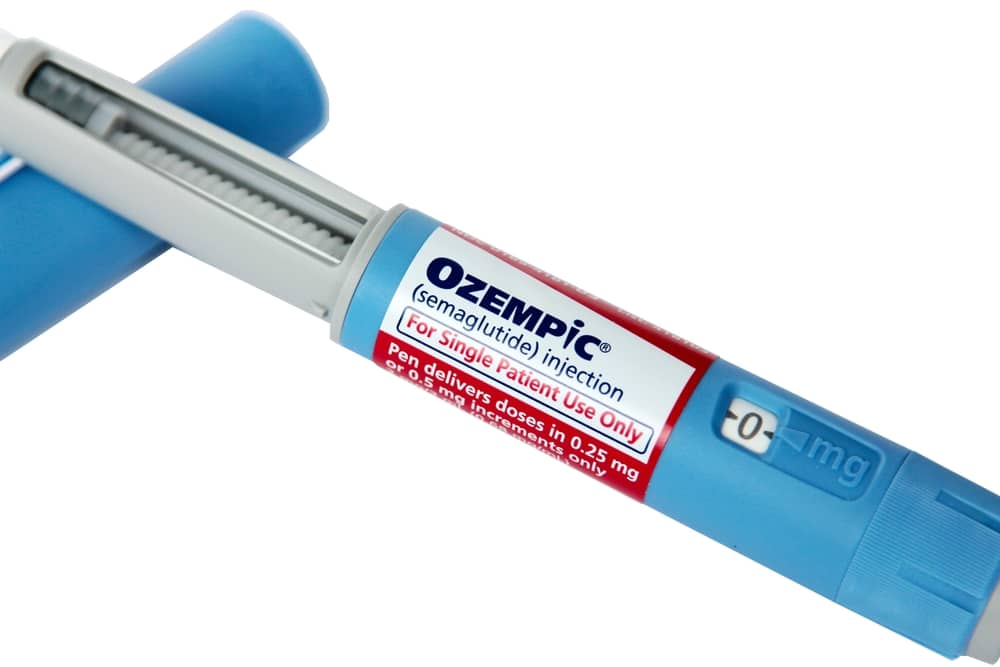
GLP-1 receptor agonists are a new medication option for weight and metabolic management with potential implications for lipedema. These drugs were designed for type 2 diabetes and now for obesity. Semaglutide, as well as brand versions like Ozempic, are approved for those uses. Their metabolic and anti-inflammatory actions position them as candidates to treat some of the pathophysiology exhibited in many people with lipedema, particularly when insulin resistance or excess adiposity is comorbid.
1. Mechanism
GLP-1 medications increase insulin secretion when glucose levels are elevated and reduce glucagon secretion, enhancing post-prandial glucose metabolism. They slow gastric emptying, which decreases meal size and typically decreases hunger. Patients say they feel full sooner and eat less.
These agents increase insulin sensitivity in the liver, fat, and muscle, which can help reverse metabolic strain. Exenatide, for instance, has been found to improve hepatic, adipose, and whole-body insulin sensitivity. GLP-1 receptors are in the pancreas and in other tissues including the gut and brain, so effects extend beyond glucose control to appetite centers and peripheral tissues related to metabolism.
2. Inflammation
GLP-1 medications have anti-inflammatory properties that can potentially decrease fat inflammation. Metabolic disease trials have noted reduced levels of inflammatory cytokines and markers post-treatment. Lower local inflammation might relieve lipoalgia and edema that many lipedema patients report.
A few treated patients report reduced leg pain. Anti-inflammatory action thus bolsters the notion that GLP-1s may be therapeutic beyond weight loss by transforming the inflammatory milieu in impacted fat.
3. Metabolism
These agonists optimize glucose metabolism and blunt hyperglycemia, stabilizing blood sugar in both diabetic and obese patients. They should drive significant weight loss. Case reports and small sample studies show early weight loss.
For example, a subject lost 6 kg in 3 months and another lost 2 kg over the subsequent 3 months on exenatide LAR 2 mg/week. Weight and improved glycemic control decrease the metabolic risk factors frequently associated with lipedema and secondary obesity. Effects typically emerge within the initial months of therapy, allowing clinicians and patients to evaluate benefits early.
4. Lymphatics
By reducing adipose tissue burden and inflammation, GLP-1 therapy can secondarily benefit lymphatic function. Less tissue burden and less inflammatory signaling can increase fluid handling. Good lymphatics are important for managing edema and lipedema progression.
GLP-1s may help vascular and lymphatic health, but they won’t repair structural lymphatic damage on their own. Manual lymphatic care or compression combined therapy will still be key.
5. Evidence
While clinical data strongly demonstrate weight loss and metabolic benefits with GLP-1s, current trials are evaluating their potential in inflammatory adipose diseases such as lipedema. There are reports of quality of life and symptom relief in some patients, and potentially at least one-third of lipedema sufferers, those with insulin resistance, might benefit from targeted GLP-1 therapy.
Comparative outcome tables would assist, but data still accumulates. Combination with lifestyle and lymphatic therapies is encouraged.
Patient Benefits
GLP-1 therapies provide multiple possible benefits for lipedema patients by addressing the metabolic and inflammatory processes that traditional diet and exercise are incapable of reversing. These drugs have the potential to decrease symptom burden, enhance mobility, and increase quality of life while integrating with existing treatments such as compression and manual therapies.
Symptom Relief
Patients describe less pain, including lowered evoked lipoalgia, following GLP-1 therapy initiation. One observed a reduction in lower limb pain scores within 3 months at most locations, while some locations such as the lower medial third of the leg and medial upper third of the thigh were less affected.
Tenderness and localized pain generally decrease as limb inflammation and fat-related strain decrease. Edema and swelling gets better for most patients. There have been documented cases of up to six months with measurable drops in waist and hip circumference.
Any weight change, even minor, can relieve pressure on afflicted zones. One patient dropped 6 kg in six months and described significant relief with daily dressing and cleaning. Tiredness and limb heaviness usually improve.
Patients report less dragging and less overall fatigue, which makes self-care activities easier. Compression stockings and deep connective tissue massage were continued unchanged during treatment in observed groups, indicating GLP-1 benefits can appear without altering standard supportive care.
Discontinuations for side effects were less than 8%, which is comparable to or better than many other options. This indicates tolerability in most patients when supervised.
Mobility
Physical function increases as weight, limb volume, and inflammation decrease. Walking capacity and stamina usually improve following major weight loss and diminished edema. These improvements were associated with improved compliance to physical therapy and at-home exercise.
Reduced limb volume makes joint movement easier and takes stress off knees and hips. Patients experience more fluid walking and less freezing on stairs or during long walks. Increased mobility allows patients to engage in organized rehabilitation and preserve progress.
Independence in dressing, bathing, and shopping will often improve and promote sustainable health behavior change.
Quality of Life
Self-image and self-esteem experience quantifiable improvements in numerous patients on GLP-1s, linked to both physical transformations and symptom alleviation. Mood, sleep, and social engagement typically trail as pain and discomfort subside.
Better metabolic health is another gain. Several patients had improved glycemic control and adiposity markers, lowering risks for diabetes and cardiovascular disease. Tracking quality-of-life scores pre and post therapy provides a more complete picture of benefit beyond weight fluctuation.
It is noteworthy that the pregnancies during treatment carried to full term were without reported medical complications in cases observed, providing reassurance about patient pregnancy outcomes while under clinical care.
Risks and Considerations
GLP-1 receptor agonists show promise for weight loss and metabolic control. Their use in lipedema requires careful risk assessment and individualized planning. The following subsections outline common adverse effects, appropriate patient profiles, and long-term safety issues, with practical points for clinicians and patients to weigh before starting therapy.
Side Effects
Nausea, vomiting, diarrhea, and constipation are the most commonly experienced side effects with GLP-1s. These symptoms typically develop early in treatment and can dissipate with dose titration, administration of antiemetics, or slower dose escalation.
Rare but serious events such as pancreatitis and gallbladder disease exist. Any abrupt, intense abdominal pain, ongoing vomiting, or signs of jaundice need to be immediately evaluated and cessation of the drug until such causes are excluded. Previous gallstones or pancreatitis increase risk and may shift the risk-benefit calculus.
Injection site reactions are feasible with subcutaneous formulations. Local redness, itching, or nodules generally subside on their own but should be observed, particularly in patients with skin sensitivity or previous lymphatic or surgical treatments in the affected areas.
| Side effect | Typical frequency | Notes |
|---|---|---|
| Nausea | Common | Often transient, dose-related |
| Vomiting | Common | May lead to dehydration if severe |
| Diarrhea | Common | Manage with hydration, anti-diarrheals |
| Constipation | Common | Monitor bowel habits, adjust fiber |
| Injection site reaction | Uncommon | Local care; rotate sites |
| Pancreatitis | Rare | Stop drug; urgent workup needed |
| Gallbladder disease | Uncommon to rare | Increased risk with rapid weight loss |
Patient Profile
The perfect patient typically has coexisting obesity, metabolic syndrome, or type 2 diabetes where weight loss and glycemic control provide tangible advantages. Patients who recently lost more than 10% body weight in the previous six months or who have recently changed diets may be excluded from trials for their confound effects.
Those with a personal or family history of medullary thyroid carcinoma or multiple endocrine neoplasia type 2 shouldn’t get GLP-1 drugs. Previous lipedema treatments, such as lymphatic drainage, compression, or fat massage, must be recorded, as certain trial protocols eliminate those treatments.
Hypothyroid patients require stable thyroid management and closer monitoring during treatment. Baseline evaluation should include liver and pancreatic enzymes, gallbladder history, thyroid status, weight and circumference measures, and a medication review.
Note that tissue growth outside surgical sites has been reported in advanced lipedema, so mapping of distribution is useful before starting systemic therapy.
Long-Term Use
Continued therapy is typically required to maintain weight and symptom advantages. Weekly dosing to steady-state plasma levels can take about 6 to 7 weeks, so early changes may not reflect full effect. Tolerance or reduced response can happen. Rotate periodically and evaluate dose and goals.
There’s not much long-term data in people with lipedema, as most of the data come from general obesity or diabetes populations. During treatment, patients can experience weight gain or loss and changes to their waist and limb measurements, which can impact their perceived potential effectiveness.
There is the possibility of combining pharmacotherapy with a very-low-calorie ketogenic diet followed by slow reintroduction of complex carbohydrates, but this approach must be supervised.
A Holistic Approach
A holistic approach to lipedema treats the whole person, addressing physical, emotional, and social needs, not just fat deposits. This framing helps clarify why mixing GLP-1 medicines with diet, movement, and supportive therapies can do better than any monotherapy alone.
Here are realistic components to construct a personalized, holistic plan that incorporates pharmacology and non-pharmacological care.
Diet
Put on an anti-inflammatory, moderately hypocaloric eating plan to back up GLP-1 therapy and relieve metabolic stress. Focus on whole foods: vegetables, lean protein, legumes, whole grains in sensible portions, and healthy fats such as olive oil and nuts.
Avoid refined sugar and processed foods because they exacerbate inflammation and blunt your metabolic improvements from GLP-1 agents. Customize macro balance to individual needs and co-morbidities. For the insulin-resistant, a lower-carb focus can aid.
For the low-energy or disordered eater, a gentler calorie cut and meal timing might fit better. Monitor adherence and symptom change with regular check-ins. Track pain, heaviness, swelling, body measurements, and simple metabolic labs like fasting glucose or HbA1c when relevant.
Movement
Low-impact exercise facilitates lymphatic flow and maintains muscle and joint health without additional strain. Try swimming, brisk walking, cycling, water aerobics, gentle yoga, and Pilates. These options are gentler on your joints and encourage blood flow.
Exercise preserves lean mass when weight fluctuates on GLP-1 therapy and can reduce pain. Build practical routines: three to five sessions per week, mixing aerobic and resistance work at moderate intensity, and include daily short walks to limit prolonged sitting.
Think about supervised courses for impaired walkers. Suggested activities for lipedema patients include:
- Water-based classes for buoyant movement
- Stationary cycling for low-impact cardio
- Resistance band strength sessions for legs and core
- Short, frequent walks to reduce leg swelling
- Soft yoga or tai chi improves flexibility and helps with stress management.
Therapy
Manual lymphatic drainage and targeted subcutaneous adipose tissue massage will reduce your pain and the sensation of heaviness. Book sessions with trained therapists. Compression garments continue to be a mainstay of conservative care and must be properly fit with graduated pressure to assist with symptom control and mobility.
Psychological counseling addresses body image, anxiety, and coping with a chronic condition. Therapy can enhance compliance to medical and lifestyle regimens. Physical and occupational therapy provide functional training, gait work, and joint protection strategies.
Some patients find acupuncture or adjunctive massage helpful for pain and sleep, though evidence is mixed. Pair these therapies with GLP-1 meds when indicated. Revisit goals often.
A Personal Viewpoint
A lot of lipedema folks are experimenting with GLP-1s and reporting back. Early reports reveal some obvious trends. A number of patients experience consistent weight loss in the initial three months, frequently ranging from 4.3 kg to 6 kg, with one individual achieving a complete 6 kg reduction relatively early.
After that initial phase, the weight loss does not cease but decelerates. That pattern, quick change early on followed by a more gradual taper, is consistent throughout stories from clinics and online support groups.
Patients report variable effects on limb circumference and pain. Some experience smaller waist and hip measurements down the road, while others experience absolutely no difference in the targeted areas. One said abdominal pain was the same through month 3 and then later subsided.
Another said that untreated areas occasionally deteriorated later on, indicating that GLP‑1 meds could benefit certain regions more than others and may not stop disease progression overall.
Lifestyle factors still count. Several people blame weight gain or plateaued benefit on diminished activity and laxer dietary attention. Highlights from the reports remind you that a person can be normal weight and nonetheless have diet or activity related complaints that impact how they feel.
Tangible activities like light strength work, low impact cardio, and regular protein consumption tend to appear in patient narratives as effective accompaniments to pharmacology. This will not reverse lipedema tissue, but it will decrease pain and increase function.
It’s a relief and tentative hope, emotionally, that these new choices have arrived. Patients report that having a drug that shrinks their body and even occasionally their pain lets them breathe — less fights every day with clothes, movement, and their self-image.
At the same time, they get frustrated when outcomes are patchy or ephemeral in others. That blend of relief and still unmet need colors many community discussions.
The clinicians and patients are figuring it out as they go. The patient community is actively sharing protocols, side‑effect management tips, and realistic timelines. Expect the biggest change in months one to three, then a slower phase.
They tell us to watch our waist and hip circumferences, our pain scores, our activity levels, our diet, and to report uncovered relapse early. Ongoing open communication between patients, therapists, and researchers will help define who benefits the most, which combinations are most effective, and how to minimize relapse.
Conclusion
Proof on GLP-1 drugs and lipedema stays restricted but helpful. Early studies and patient anecdotes reveal these medications can reduce total body fat and address weight-associated symptoms. Fat loss typically arrives from the belly and trunk. The impact on the nodular, fibrotic fat of the limbs remains variable. Some experience reduced pain and improved mobility. Others experience minimal change in the limbs’ shape.
Weigh advantages and disadvantages. Anticipate steady weight decrease, reduced appetite, and improved blood glucose management. Be alert for nausea, gallbladder problems, and mood changes. Always combine any drug plan with personalized diet, exercise, compression, and specialist care. For many, GLP-1 can be a piece of the relief puzzle. Consult with a lipedema-savvy clinician and tailor options to your objectives and health.
Frequently Asked Questions
Can GLP-1 medications reduce lipedema fat?
There is little evidence. GLP-1s can reduce total body fat and weight, but targeted reduction of lipedema fat is unproven. Certain patients see relief in symptoms, but targeted research is necessary.
Do GLP-1 drugs improve lipedema pain and swelling?
A few of my patients have less pain and swelling after weight loss with GLP-1s. Improvements are probably indirect from less pressure and inflammation, not a direct effect on lipedema tissue.
Which GLP-1 medications are commonly used?
Popular GLP-1 drugs are semaglutide and liraglutide. These are prescription medications prescribed for weight loss or diabetes. The provider determines appropriateness on a case-by-case basis.
Are there risks using GLP-1s for lipedema?
Yes. Side effects can be nausea, vomiting, constipation, and rare risks such as gallbladder issues or pancreatitis. Consult with a clinician, particularly if you have additional medical issues.
Should GLP-1s replace lipedema treatments like manual lymphatic drainage or liposuction?
No. GLP-1s ought to supplement, not supplant, established lipedema care. Conservative therapies and surgical options remain at the fore. Treat with a plan guided by multidisciplinary specialists.
How long to see results if GLP-1 helps my lipedema symptoms?
If beneficial, weight and symptom changes are usually noticeable within a few weeks to months. Everyone is different and will respond differently. Routine check-ins with your provider keep tabs on gains and side effects.
Who should I talk to before starting a GLP-1 medication for lipedema?
Consult with an experienced lipedema physician, perhaps a vascular specialist, bariatrician, or endocrinologist. They’ll evaluate risks, integrate conservative care, and calibrate expectations.