
Key Takeaways
- Lipedema is a separate chronic adipose disease that can’t be counted on to respond to traditional weight loss techniques and needs specialized identification and treatment.
- GLP-1 receptor agonists improve metabolic health and reduce inflammation, making them a valuable pharmaceutical tool to support lipedema care.
- Leveraging GLP-1s pre-op can decrease adipose thickness and optimize metabolic status. Post-op continuation may support preventing weight regain and aiding healing.
- GLP-1s could reduce fibrosis, pain, and appetite, helping mobility, diets, and surgical outcomes when paired with compression and physical therapies.
- Monitor metabolic markers, fibrosis and pain scores, and side effects regularly to individualize dosing and evaluate treatment benefits versus risks.
- Factor in cost, access, and mental health support when strategizing combined medical and surgical approaches. Talk GLP-1 in the context of a personalized, multidisciplinary lipedema plan.
Lipedema surgery and GLP-1 are two ways to handle surplus fat and associated symptoms in individuals with lipedema. Lipedema surgery takes away localized fat and can ease pain and swelling.
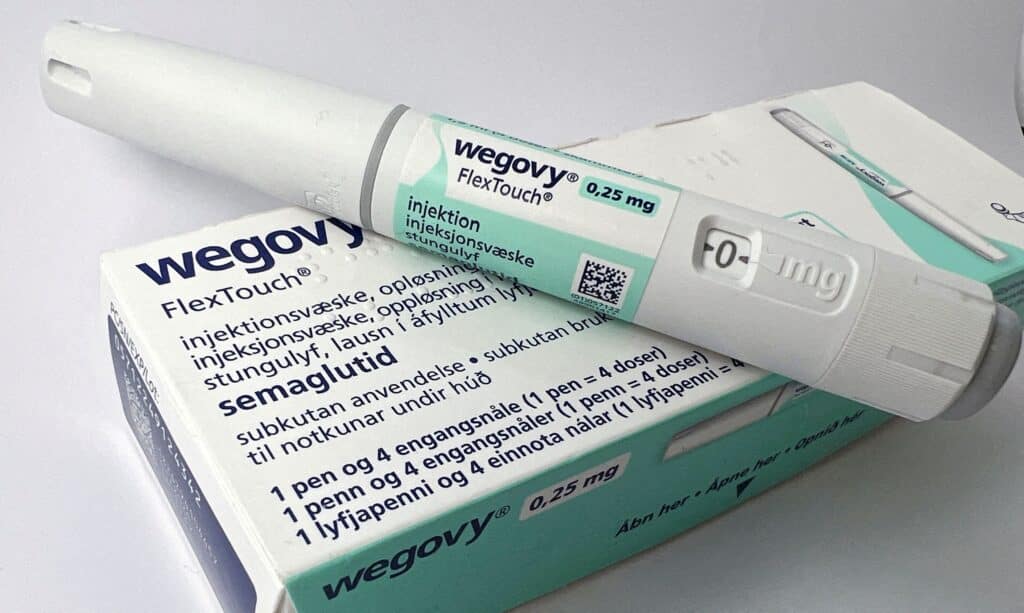
On the other hand, GLP-1 meds reduce weight and can alleviate metabolic stress. The combination of surgical and medical care is being contemplated in many clinics to enhance function and quality of life.
The main body discusses the evidence, risks, and pragmatic alternatives.
Lipedema vs. Obesity
Lipedema is a chronic adipose tissue disorder distinct from generalized obesity in etiology, distribution, and treatment response. Both can cause excess tissue and functional limitations, but lipedema is characterized by a symmetrical accumulation of frequently painful fat in the legs and sometimes the arms and lower trunk with relative sparing of the feet.
This distribution forms a sharp visual and tactile separation from weight gain and it frequently introduces unique symptoms such as pain, easy bruising, and edema that are uncharacteristic of common obesity. Lipedema fat doesn’t budge with diet and exercise. Caloric change and activity can reduce adipose stores throughout the body in generalized obesity.
Lipedema tissue is metabolically deranged and demonstrates inflammatory changes that are unresponsive to nutritional intervention, traditional exercise regimens, and even bariatric surgery. Lipedema patients often describe how, regardless of rigorous dieting and consistent exercise, their limbs remain swollen and sore. This resistance is a major clinical hallmark and illuminates why so many are initially classified as obese prior to a subsequent lipedema diagnosis.
Pain and other symptoms distinguish lipedema. Lipoalgia, which is pain in the fatty tissue, along with easy bruising and frequent edema, contributes a sensory and vascular element to the picture not typically present with mere obesity. These symptoms can result in difficulty moving, persistent pain, exhaustion, and cognitive symptoms such as brain fog.
These problems diminish quality of life and make simple care difficult, as the painful tissue restricts mobility and renders typical weight loss fitness difficult to maintain. Diagnosis and treatment present unique challenges. Lipedema is underrecognized. Many clinicians default to obesity as a diagnosis because they both share increases in body size.
Accurate diagnosis can often be made with focused history and physical exam, paying attention to symmetrical limb enlargement, foot sparing, and symptom initiation or flares related to hormonal shifts. Puberty, pregnancy, contraceptive use, peri-menopausal, and menopausal periods are common triggers. Imaging and lymphatic evaluation assist in excluding lymphedema and defining adipose tissue distribution.
Treatment strategies are different. Conservative care, including compression, manual lymphatic therapy, targeted exercise, and pain and anti-inflammatory management, ameliorates symptoms but is usually not effective in debulking. Surgical solutions such as lipedema-based tumescent liposuction extract pathologic fat directly and may enhance pain and function.
For example, a patient with long-standing leg pain and no change after 12 months of diet and exercise may see reduced pain and better mobility after targeted liposuction, while a person undergoing bariatric surgery might lose abdominal weight yet retain painful limb fat. Understanding these differences allows for more accurate treatment and improved patient results.
GLP-1 Medications’ Role
GLP-1 receptor agonists (GLP-1 RAs) are hormones that target brain and peripheral receptors to delay gastric emptying, curb appetite, and improve glucose-dependent insulin secretion. In lipedema treatment, they are being researched for appetite and metabolic impacts, as well as direct effects on fat tissue that can transform inflammation, fibrosis, and pain.
1. Inflammation Reduction
GLP-1’s demonstrate anti-inflammatory properties in adipose tissue by reducing pro-inflammatory cytokines and altering the innate immune response. Animal and human studies demonstrate decreased local markers of inflammation following GLP-1 therapy. Exenatide and others can downregulate TNF-alpha, IL-6, and macrophage infiltration in fat.
These mechanisms range from enhanced insulin signaling that minimizes lipotoxic stress to direct GLP-1 receptor signaling on adipocytes and immune cells and mitigated oxidative stress. These routes can result in less edema and tissue soreness.
Clinical accounts associate GLP-1 use with diminished instances of spontaneous pain, tenderness, and bruising in lipedema patients, which are hallmarks of improved local tissue health. Pairing GLP-1s with compression and manual therapies addresses systemic and local inflammation for a multi-pronged approach.
2. Metabolic Health
GLP-1 drugs aid in glycemic control, increase insulin sensitivity, and reduce fasting and post-meal glucose. Exenatide and weekly extended-release formulations achieve steady-state plasma levels after approximately six to seven weeks, resulting in persistent metabolic effects.
In lipedema, a lot of patients have hyperinsulinemia or impaired glucose tolerance and GLP-1s lower these risks and reduce progression to type 2 diabetes. Improvements in metabolic risk markers, including HbA1c, fasting insulin, and weight, are typical in trials, with one study reporting weight loss of 4.3 kg after three months.
Monitor HbA1c, fasting glucose, insulin, and weight prior to and during GLP-1 therapy.
3. Appetite Control
GLP-1 agonists suppress appetite and cravings by targeting hypothalamic centers and delaying gastric emptying. This reinforces good compliance with hypocaloric and anti-inflammatory diets and reduces candy cravings.
For lipedema patients dealing with progressive weight gain, GLP-1s provide a mechanism to stabilize weight and relieve pressure on compromised limbs. Compare outcomes: GLP-1s often produce greater sustained appetite suppression and weight loss than older weight-loss drugs, and they carry metabolic benefits beyond appetite.
Employ GLP-1s with diet and activity.
4. Fibrosis Impact
GLP-1 agents can influence fibrotic pathways in adipose tissue, reducing fibrogenic signaling and matrix deposition. Less fibrosis might make tissue more malleable and surgical planes easier before lipedema surgery.
Fibrosis is associated with pain and worse surgical outcomes, so preoperative GLP-1 therapy could potentially improve tissue pliability and recovery. Add fibrosis evaluation, either imaging or biopsy, if you are considering mixed medical-surgical protocols.
A Surgical Adjunct
GLP-1 meds as a surgical adjunct. They don’t address lipedema fat itself, but they can alter the metabolic and inflammatory environment in which surgery occurs. That context influences surgical risk, wound healing, and the longevity of outcomes.
Clinicians who treat lipedema are increasingly seeing GLP-1s as a component of a broader strategy that might include lymph-sparing liposuction, compression, and rehabilitative care, not a stand-alone alternative to surgery.
Pre-Surgery
GLP-1s are a surgical adjunct. A lot of patients achieve significant weight loss and better insulin sensitivity on these medications. A small study of exenatide demonstrated a decrease in pain and subcutaneous adipose thickness in lipedema patients with insulin resistance.
Begin months before scheduled liposuction, so there is time to lose weight, decrease fasting glucose, and dampen systemic inflammation.
Steps to include GLP-1 therapy preoperatively: baseline metabolic panel, HbA1c, fasting insulin and glucose. Discuss timing with the surgical team. Begin at a low dose and up-titrate under endocrine or primary-care supervision.
Document weight trajectory and symptoms. Thin adipose and local inflammation, where you can, to make lymph-sparing techniques safer and more effective. Check blood sugar and insulin frequently, taking diabetes medications if existing.
Optimize nutrition, compression, and PT in addition to meds to minimize tissue edema and fibrosis before surgery.
Post-Surgery
Continue GLP-1 therapy after lipedema surgery to help prevent secondary weight gain and maintain metabolic gains. With appetite control and improved insulin sensitivity, it supports long-term fat loss and can reduce the risk of fat re-accumulation in treated and untreated areas.
There is data indicating GLP-1s reduce inflammation, fibrosis, and adipocyte growth, all relevant to lipedema’s pathology, which can result in less postoperative complications and better scar and wound healing.
Metabolic control in the chronic phase of repair is important. Continue checking glycemic markers, lipid profile, and inflammatory markers. During these times, have routine clinical evaluations to monitor wound healing, limb measurements, symptom scores, and metabolic labs at one, three, six, and twelve months.
European clinics couple GLP-1s with physical rehab and compression to maximize functional recovery. Further studies are necessary to determine optimal timing, dosing, and patient selection.
In our practice, GLP-1s serve as a valuable adjunct to lymph-sparing liposuction in personalized treatment plans.
Clinical Evidence
Clinical studies and case reports on GLP-1 receptor agonists in lipedema and obesity demonstrate mixed but emerging signals. Trials in obesity have generated strong and consistent weight loss. One randomized trial saw a mean body weight decrease of approximately 20.9% at 72 weeks at a particular dose.
For exenatide LAR, steady-state plasma concentrations are achieved after 6 to 7 weeks of weekly dosing, offering a consistent exposure that facilitates durable metabolic impacts. In lipedema, evidence is more limited but suggestive. Combined pharmacologic and dietary approaches have been reported to reduce adipose thickness and pain.
A handful of reports document clinical improvements in lipedema with GLP-1 agents and caloric restriction. One controlled trial combining exenatide LAR with a hypocaloric diet observed decreases in fat thickness and decreased pain scores.
In a case report with a 6-month follow-up on a patient, clinical evidence showed decreased adipose thickness in nearly all measured locations of the lower and upper limbs and abdomen, despite weight loss and partial regain; the medial lower third of the thigh and forearm were exceptions. Another patient on exenatide LAR plus VLCKD experienced lower lipoalgia scores at almost all sites except the medial upper third of the thigh. These studies highlight location-dependent variability in effect.
In comparison with other treatments, they have defined roles. Surgical interventions, primarily tumescent liposuction, provide an instant reduction in volume and symptomatology but are associated with a reported tissue regrowth rate in treated areas of up to 30% in certain series.
Pharmacologic GLP-1 therapy provides a systemic metabolic advantage and significant weight loss that can lessen load-related symptoms and increase insulin resistance. Insulin resistance in lipedema cohorts has been evaluated both fasting and post 75 g oral glucose, highlighting the metabolic intersection with obesity.
GLP-1s do not replace surgery for localized nodular disease, but they may supplement it by reducing systemic adiposity and metabolic risk before or after surgery.
Promising treatments and research areas include:
- GLP-1 receptor agonists along with calorie-restricted diets reduce adipose thickness and pain, according to studies. More randomized trials are necessary.
- Clinical Evidence GLP-1 and keto protocols lead to case-level improvements in lipoalgia that require controlled study.
- Perioperative GLP-1 for surgical risk reduction and recovery is used in liposuction before and after the process to lower weight and inflammation.
- Long-term outcome studies for GLP-1 therapy compared to standard medical care for lipedema progression evaluate durability and site-specific effects.
- Mechanistic trials on adipose biology in lipedema under GLP-1 exposure aim to understand why some areas are resistant.
- Larger, multicenter registries are needed to fill the evidence gap given the estimated prevalence and inconsistent recognition.
Patient Realities
Lipedema patients exist in a state of constant, frequently excruciating symptoms that influence all aspects of day-to-day life and treatment decisions. Pain, swelling, sleep disruption, numbness, and limited motion are frequent. There is clinical guidance, but the reality of care, access, and outcomes varies so treatment has to be individualized. Patients have to be educated about their options including GLP-1 medications.
Cost Burden
Money is tight. Surgery like lipedema-specific tumescent liposuction may require multiple sessions, which can range widely per country and clinic, and may run several thousands to tens of thousands in a consistent currency. GLP-1 drugs incur recurring expenses as they are typically recommended for extended use, with monthly rates differing across brands and locations.
This potentially constitutes a significant monthly expense relative to a one-off surgical payment. Conventional conservative care, including compression garments, manual lymphatic drainage, and physiotherapy, has a lower per-item cost but accumulates over years with replacement garments, repeated therapy, and time off work.
Insurance often doesn’t cover it. Most insurers consider lipedema cosmetic or ambiguously covered, so patients pay out of pocket for surgery and some drugs. Out-of-pocket costs include pre-op tests, travel to specialized centers, post-op care, and lost wages. Typical cost ranges:
| Treatment | Typical cost range (consistent currency) |
|---|---|
| Tumescent liposuction (per session) | 3,000–12,000 |
| GLP-1 medications (monthly) | 200–1,000 |
| Compression garments (annual) | 100–600 |
| Manual lymphatic drainage (per session) | 50–150 |
Side Effects
- Nausea, vomiting, and gastrointestinal upset
- Reduced appetite and weight loss
- Headache and dizziness
- Injection site reactions
- Rarely, pancreatitis or gallbladder issues
While GLP-1s provide relief for weight-related symptoms, they introduce side effects distinct from surgical risks such as infection, numbness, or prolonged swelling. Surgery can decrease volume and pain but may induce temporary numbness, tingling, and prolonged recovery.
One patient experienced numbness along the inside of her thighs for approximately a month after surgery and waddled for weeks. Monitoring is key: labs, symptom checks, and prompt reporting of severe events. Dose adjustments and slow titration minimize side effects, and personalized plans weigh symptom alleviation against danger.
Mental Health
Both chronic pain and visible body changes tend to devastate mental health. Patients often express feeling like they’re one big bruise after sleeping, waking in pain, and suffering through days with less pain tolerance than before their friends. This all leads to anxiety, depression, and frustration—a torment.
Better symptom control helps sleep and function, which in turn facilitates mood and social engagement. GLP-1s can impact mood in some individuals, which affects adherence. Clinicians should monitor for mood changes upon initiating therapy.
Incorporating counseling, peer, and psychiatric support into lipedema care enhances outcomes and keeps patients committed to intricate treatment plans.
Future Directions
Studies on lipedema and treatment approaches are ongoing and will inform clinical care in the near term. More work is underway to shift from symptom control to disease modifying therapies. Imaging advances, such as higher-resolution ultrasound, will enable more accurate and less invasive diagnosis and treatment monitoring. This will allow clinicians to diagnose changes in tissue earlier and to track how patients are responding to surgery and drugs alike.
Better imaging also assists in planning liposuction and other procedures by mapping fat and fluid compartments in millimeters. This enhances surgical precision and can reduce complications.
Forecast the development of innovative treatments and novel GLP-1 therapies for lipedema
New agents acting on metabolic and inflammatory pathways, such as modified GLP-1 agents and other incretin-based drugs, are likely to emerge. Early work with incretin drugs like exenatide has demonstrated weight loss and symptom improvement for certain patients. Future GLP-1 formulations might be modified for tissue-specific effects, slower release, or combined with other agents to decrease limb fat and pain without excessively reducing BMI.
Consider weekly injectables, oral small molecules, or even combination therapies like a GLP-1 plus anti-inflammatory to address weight and local tissue inflammation.
Anticipate advances in personalized medicine and targeted pharmacological interventions
Genetic and molecular research could identify lipedema subtypes that react uniquely to medication or surgery. Testing for markers, like variants in genes associated with fat growth or lymphatic function, might inform treatment selection. Clinicians could use panels that combine genetics, imaging, and metabolic labs to select between conservative care, targeted pharmacology, or surgical options.
For instance, an inflammatory marker positive patient with a gene signature may receive a GLP-1 and a short course of anti-inflammatory treatment. In contrast, a mechanically limb-based individual could be guided toward liposuction first.
Predict increased clinical research on the pathophysiology and metabolic mechanisms of lipedema
Look for more experiments investigating why lipedema fat acts differently than other fat, including lymphatics, immune cells, and local hormonal signals. These will test longer-term treatment effects, as the current evidence is short term. Larger randomized trials will be needed to clarify the benefits and risks of GLP-1 receptor agonists in lipedema.
Additionally, these trials will compare drug-alone, surgery-alone, and combined approaches. Multicenter registries and standardized outcome measures will assist in understanding which patients benefit most from each approach.
Encourage ongoing evaluation of combined medical, surgical, and pharmacological treatment strategies for optimal patient outcomes
A multidisciplinary model, including diet, exercise, compression, imaging-guided surgery, and selective drug use, will continue to be front and center. Future directions will emphasize customizing the blend to patient objectives, hazards, and physiology.
Long-term studies ought to consider functional outcomes, pain, quality of life, and recurrence following combined care.
Conclusion
Lipedema care now merges surgery and medical treatment. Liposuction slices the hurtful flab and simplifies contours. GLP-1 drugs aid in reducing hunger, reducing weight, and stabilizing blood sugar. Together they can provide more complete and longer lasting relief than either alone. Trials have shown increased patient comfort and decreased readmissions when care teams coordinate both transitions of care. Patients still encounter access, cost, and side effect obstacles. Pick teams that monitor results and provide transparent protocols for weight, wound care, and follow-up. Anticipate incremental improvements, not quick solutions. If you are considering your options, consult a surgeon and an endocrine or obesity specialist. Schedule a consultation to chart a course customized for your body, health objectives, and lifestyle.
Frequently Asked Questions
What is the difference between lipedema and obesity?
Lipedema is a chronic fat disorder that primarily affects limbs and causes pain, bruising, and swelling. Obesity is excess body fat that is more evenly distributed. Lipedema doesn’t respond well to regular weight loss.
Can GLP-1 medications treat lipedema?
GLP-1 drugs can decrease body weight and enhance metabolic well-being. They do not specifically remove lipedema fat, but can help decrease symptoms and surgical risk when used alongside other methods.
Are GLP-1 drugs useful before lipedema surgery?
Yes. GLP-1 drugs pre-surgery can reduce body weight, inflammation, and enhance anesthesia safety. This could make surgery safer and recovery easier for patients.
Do GLP-1 medications replace lipedema surgery?
No. GLP-1 medications are not an alternative to lipedema-specific surgeries such as liposuction. Surgery is still the only choice to extract diseased fat and improve limb shape and function.
What does clinical evidence say about combining GLP-1 and surgery?
A few observational studies and case reports show that the combined use may lead to better outcomes. There is a lack of rigorous randomized controlled trials. Clinicians factor in personal risk, objectives, and data when suggesting integrated strategies.
What should patients expect in real life when using GLP-1 and having surgery?
Anticipate possible weight loss, enhanced surgical preparedness, and inconsistent symptom alteration. Side effects and costs differ. Collaborate with a multidisciplinary team for individualized planning.
What future research is needed on GLP-1 and lipedema surgery?
We require randomized controlled trials, longer follow-up, and symptom-specific outcomes. Further research should delineate optimal timing, dosing, and ideal patient populations to guide clinical practice.