Key Takeaways
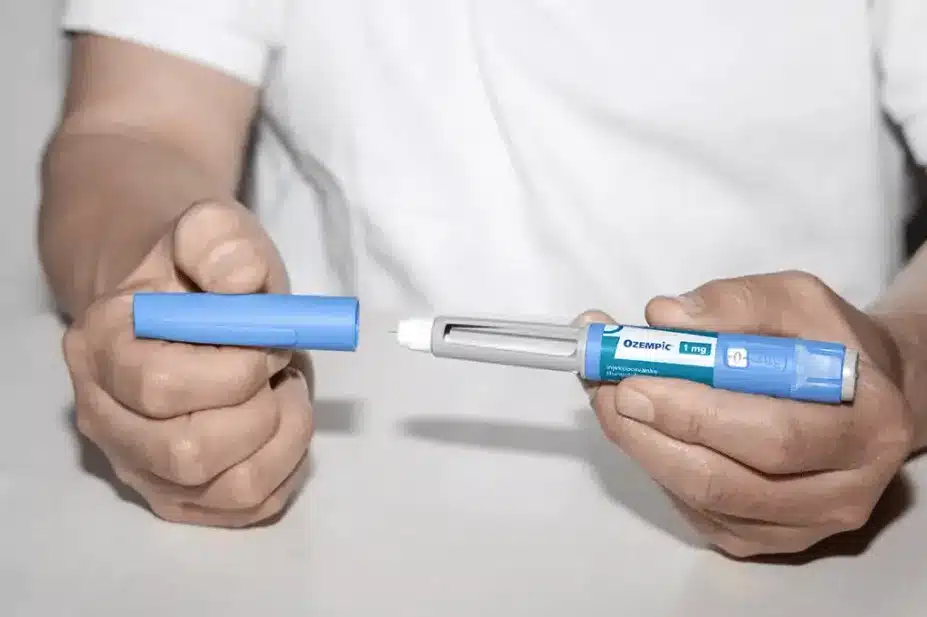
- Tirzepatide is an appetite-suppressing blood sugar medication that can cause dramatic fat loss and body changes while you’re on it. Keep an eye on body fat percentage and muscle mass to see just how much of your weight loss is affecting your shape and lean tissue.
- Excess skin after weight loss can become an issue if the skin doesn’t bounce back, which depends on elasticity, collagen, age, genetics, and how long you were overweight. Aim for slow, sustainable weight loss to allow skin extra time to adjust.
- Support skin health preemptively with a well-balanced diet abundant with protein, vitamins, antioxidants, and collagen-building nutrients, as well as sufficient hydration and sunscreen to protect existing collagen. Turn to supplements and topical treatments such as retinoids and hyaluronic acid when warranted.
- Add resistance training. Muscles are your skin’s best friend while losing fat. Couple your workouts with good eating and drinking.
- Nonsurgical options, including radiofrequency, ultrasound, lasers, topical agents, and compression garments can enhance mild to moderate skin laxity. Surgical body-contouring procedures are generally reserved for significant excess skin once weight has plateaued. Talk timing and expectations with an experienced clinician.
- Handle emotional and psychological impact by setting reasonable expectations, emphasizing health gains, and consulting healthcare professionals, therapists, or support networks to navigate body image shifts and post-recovery choices.
Tirzepatide may reduce body fat by decreasing appetite and regulating sugars. Research demonstrates dramatic weight loss over the course of months, which can result in loose skin for some individuals, particularly after large or rapid losses.
Age, genetics, sun damage, and how long the excess fat stretched out your skin all play a role in skin tightening. The body of the post details risks, timing, and strategies to address loose skin post-tirzepatide weight loss.
Understanding Tirzepatide
Tirzepatide is a blood sugar-lowering prescription drug that’s helping people shed pounds. It is a dual incretin agonist, engaging both GLP-1 and GIP receptors. This class of drugs was created for type 2 diabetes and they’ve demonstrated impressive weight loss results, frequently generating larger average weight drops than previous GLP-1 agents.
Available worldwide in clinical practice, tirzepatide alters patients’ appetite, gastric emptying rate, and glucose metabolism.
Mechanism
Tirzepatide acts as a synthetic copy of the hormones GLP-1 and GIP. By activating those two receptors, it increases levels of the same gut hormones that tell the brain the body is satiated, so hunger drops. It delays gastric emptying, which makes meals more satiating and reduces post-prandial blood sugar spikes.
That duo slashes appetite and makes people less hungry, so they feel great eating fewer calories. With slower digestion and lower appetite, you experience steadier weight loss across weeks and months instead of wild swings.
For blood sugar regulation, tirzepatide assists insulin in being more effective and preventing excessive glucose surges. This double effect can enhance metabolic markers such as fasting glucose and HbA1c, as well as reduce body fat.
Unlike semaglutide and liraglutide, which target a single receptor, tirzepatide targets two. Semaglutide and liraglutide, as efficacious GLP-1 agonists, have well-established weight and glucose benefits.
Tirzepatide’s additional GIP activity probably accounts for its greater average weight loss in trials, but individual response differs. Side effect profiles overlap, with nausea and GI symptoms common early in treatment.
Body Composition
The majority of weight lost on tirzepatide is fat and not muscle when patients consume sufficient protein and incorporate resistance training. As research reveals decreases in fat and shifts in body composition, visceral fat tends to fall right along with subcutaneous fat.
Tracking body fat percentage and lean mass allows you to differentiate between real fat loss and muscle loss and informs any necessary dietary or training modifications. Fast fat loss can leave behind loose skin or saggy areas including the abdomen, face, or jawline, and seniors are most vulnerable.
Individuals over 40, as well as those with a history of elevated blood glucose or obesity, might retain indications of “obese skin” since previous skin extension and decreased subcutaneous fat minimize recoil. Rapid weight loss reduces elastin and collagen, which leads to loose skin.
Cartwright’s work observes mechanical and physiological skin changes that can continue even after weight comes down. Since approximately 73% of adults in the U.S. Are overweight or obese, skin issues are common among people seeking medicated-assisted weight loss.
Periodically check your body composition, ask your clinicians about your skin, and plan strength exercise and nutrition to maintain muscle and support skin.
The Skin Dilemma
Loose skin is a common issue with any significant weight loss, including GLP-1 drug-driven loss like tirzepatide’s. Most of our patients experience sagging around the abdomen, arms, breasts, and face because fat volume decreases at a rate faster than the skin can retract. Old skin that’s been stretched during years of obesity restricts the skin’s bounce-back.
That previous over-stretch frequently results in thinner skin, with less collagen and elastin fibers, and can generate thicker, rougher, or drier patches, like on the soles of the feet and other pressure points. Taking care of your skin and skin’s elasticity through and after your weight loss minimizes skin troubles like saggy or loose skin, hollowing cheeks, or the infamous “Ozempic face.
1. Elasticity
Skin elasticity refers to the skin’s proclivity to snap back after being stretched by unwanted weight. Age, genetics, smoking, sun exposure, and how long you were obese all impact elasticity. Collagen and elastin are the primary structural proteins that maintain skin’s firmness, and damage or loss of these fibers results in laxity.
Support skin firmness with a minimal skin care routine, sufficient protein and vitamin C, and hydration. Soft massage and light weight resistance training invigorate blood flow and can sometimes help skin acclimate better in the long run.
2. Collagen
Collagen production declines with age and can dip even further during quick weight loss, diminishing the quality and thickness of the skin. Eating collagen-rich foods like bone broth, lean protein, and vitamin C-rich fruits and vegetables can support production. Supplements may assist certain individuals.
Topical retinoids and hyaluronic acid enhance texture and hydration and can less dramatically increase collagen remodeling. Daily sunscreen is important to protect the collagen you have left from UV damage and to slow additional degradation, which will exacerbate sagging and fine lines.
3. Speed
Rapid weight loss increases the danger of surplus sagging as the skin doesn’t have a lot of time to adjust. Try to lose at a steady rate when you can as slow change allows your dermis and underlying tissues to remodel with less laxity. Injectables can provide quick fixes, which can exacerbate sagging skin or hollowing of the face and loss of buttock volume.
Make reasonable goals, stick to a plan, and if skin issues are serious, phase dose or lifestyle changes to a slow pace.
4. Genetics
Genetics determine how well our skin snaps back and whether we’re more prone to wrinkle or sag after weight loss. Two individuals with nearly identical weight trajectories can have wildly different skin outcomes. Prepare a family history list of early sagging, slow healing, or skin disorders to set expectations.
Genetic predisposition impacts reaction to non-surgical interventions like radio frequency and to surgical lifts.
5. Age
Older patients have less elasticity and slower collagen turnover, so they’re more prone to getting jowls, facial sag, and new wrinkles after weight loss. Age should direct treatment options, with younger adults benefiting from non-invasive tightening and older adults requiring combination treatments.
Age-appropriate skincare, sun protection, and lifestyle changes support skin throughout and post weight loss.
Proactive Strategies
Proactive care during and after tirzepatide-induced fat loss minimizes your risk of loose skin persisting and accelerates recovery. Your body needs time to tighten up after quick weight loss. Combining meds with focused skin support, observation, and strategic treatments offers the best shot at enhanced skin tone.
Nutrition
A healthy diet helps skin healing. High-quality protein provides amino acids for collagen and elastin production, which are key to firmness. Plant antioxidants from fruits and veggies combat oxidative stress that degrades skin collagen.
Vitamins A, C, and D, along with minerals such as zinc and copper, all have direct roles in tissue repair and immune support. Prioritize diverse whole foods over single supplements where you can.
Include foods that support collagen: lean meats, fish, eggs, dairy, legumes, and bone broth. Omega-3 fats from oily fish, flaxseed, and walnuts for elastin and general matrix health help reduce inflammation and keep skin supple.
Steer clear of calorie-crunched plans that slash protein too low. Nutrient gaps can prolong repair and exacerbate skin roughness.
Nutrient checklist for skin repair:
- Protein: 1.2 to 1.6 grams per kilogram per day depending on activity level and loss rate.
- Vitamin C: Citrus, berries, and peppers are needed for collagen cross-linking.
- Vitamin A: sweet potato, leafy greens support skin cell turnover.
- Vitamin D: Fatty fish and fortified foods aid immune function and tissue repair.
- Zinc: shellfish, seeds, legumes — wound healing and protein synthesis.
- Omega-3 fatty acids from salmon and chia reduce inflammation and support elastin.
Hydration
Proper hydration keeps skin plump and more flexible. Daily water requirements differ based on body size and climate, with 30 to 40 milliliters per kilogram per day being a good general target, to be adjusted for activity levels and environment.
Good hydration aids in circulation and nutrient delivery to the skin while it heals. Topical hydration counts as well. Apply non-irritating moisturizers with humectants like glycerin or hyaluronic acid and ceramides to lock in that moisture and combat the dryness that can be typical of ‘obese skin’, which tends to be thicker and rougher, especially on the feet.
Minimize depleters and cut back on the extra caffeine and alcohol that dry out and slow down the healing of your skin.
Exercise
Resistance training sculpts and maintains muscle underneath sagging fat sheets, which fills out the space and minimizes apparent flabbiness. Aim for two to four strength sessions a week focusing on all of the major muscle groups with progressive overload to stimulate hypertrophy or preserve lean mass during pharmaceutically supported loss.
Consistent aerobic exercise pumps blood and makes your skin glow with nutrients and oxygen. Weightlifting in particular preserves resting metabolic rate and promotes superior body composition because tirzepatide and other shots cause quick fat loss in some individuals.
Create a structured plan with realistic progression: start with compound lifts, add targeted work for areas of concern, and include mobility and stretching to maintain skin pliability.
Track skin changes monthly to fine-tune diet, fluids, and exercise, or supplement with non-surgical treatments like light therapy, chemical peels, or radiofrequency when laxity remains. Surgery is sometimes still necessary. The long-term effects of new injections are still uncertain, so plan conservatively and review your options with clinicians.
Post-Loss Management
Post-Loss Management – once you finish weight loss with tirzepatide or other GLP-1–based approaches, loose skin needs to have a plan. From non-invasive skin procedures to major surgery, the choices are abundant. Options depend on laxity, goals, health, and weight stability.
Non-Surgical
Non-surgical options fit mild to moderate laxity or those seeking low-risk avenues. Laser skin tightening, ultrasound (Ultherapy), and radiofrequency devices heat deep layers of skin to jump-start collagen. Outcomes are incremental and may require several treatments. Improvements are minimal as compared to surgery.
For example, three months of radiofrequency treatments might tighten your stomach a little and enhance texture. Acute aid with retinol and hyaluronic acid, among other topical agents, maintains skin health. Retinol addresses collagen and texture over months, while hyaluronic acid increases hydration and temporary plumpness.
These are low-risk and work best on mildly loose skin, after light arm or facial fat reduction. Post-Loss Management Compression garments help the skin settle after rapid loss and reduce swelling. Wear time is variable. Most individuals wear compression for weeks to months during recovery or while pursuing non-operative treatment.
Compression can reduce self-consciousness by styling contours and assisting with wardrobe changes. Dermal fillers offer volume restoration in the face and small focal areas. Fillers can fill hollows and soften wrinkles that occur after fat loss. They’re not a solution for significant loose skin but they can enhance facial cosmetic appearance rapidly, frequently with little recovery time.
Others pair filler with skin-tightening treatments for a more even result. They talk about the emotional padding that weight loss brings. You feel better, you’re in a better mood, you’re more confident, yet you still feel self-conscious about the loose skin. Non-surgical routes treat the appearance and increase activity involvement when surgery isn’t pursued.
Surgical
Surgery is typically reserved for profound excess skin or circumferential laxity following significant weight loss. Surgeons expect patients to maintain a stable weight for three to six months pre-op in order to prevent recurrence of laxity. Good skin quality and nutrition make all the difference in how well things heal and fare.
| Procedure | Target Areas | Typical Result | Downtime |
|---|---|---|---|
| Abdominoplasty (tummy tuck) | Abdomen | Removes excess skin; tightens muscles | 4–6 weeks |
| Lower body lift | Abdomen, hips, thighs, buttocks | Circumferential contouring | 6–8 weeks |
| Brachioplasty | Upper arms | Removes hanging skin | 2–4 weeks |
| Mastopexy (breast lift) | Breasts | Lifts and reshapes breasts | 2–6 weeks |
Post-Loss Management Recovery consists of pain management, wound care, activity restrictions and follow-up appointments. Anticipate swelling, bruising and months of slow progress. Financial concerns and time off work were typical, with a few citing stress associated with new clothes and procedure costs.
Many hold onto these positive mood swings and post-surgical improved physical functioning.
A Clinical Viewpoint
The swift, sometimes dramatic body weight reductions seen with tirzepatide bring up practical clinical questions about post-weight loss skin changes. Surgeons and dermatologists report varied outcomes: some patients show good recoil, while others develop significant laxity that limits function or causes distress.
Clinical practice considers baseline skin quality, age, smoking status, genetics, and quantity and speed of weight loss when arranging follow-up care. Obesity is a chronic disease associated with elevated risk of type 2 diabetes, premature mortality, and some cancers. Weight loss with medications can therefore provide meaningful health benefits even if cosmetic concerns persist.
Patient Expectations
Establish realistic, clinically based expectations for non-surgical skin tightening. Noninvasive solutions, such as radiofrequency, ultrasound, and topical retinoids, can improve texture and mild laxity, but they very rarely compare to surgical excision for massive excess skin.
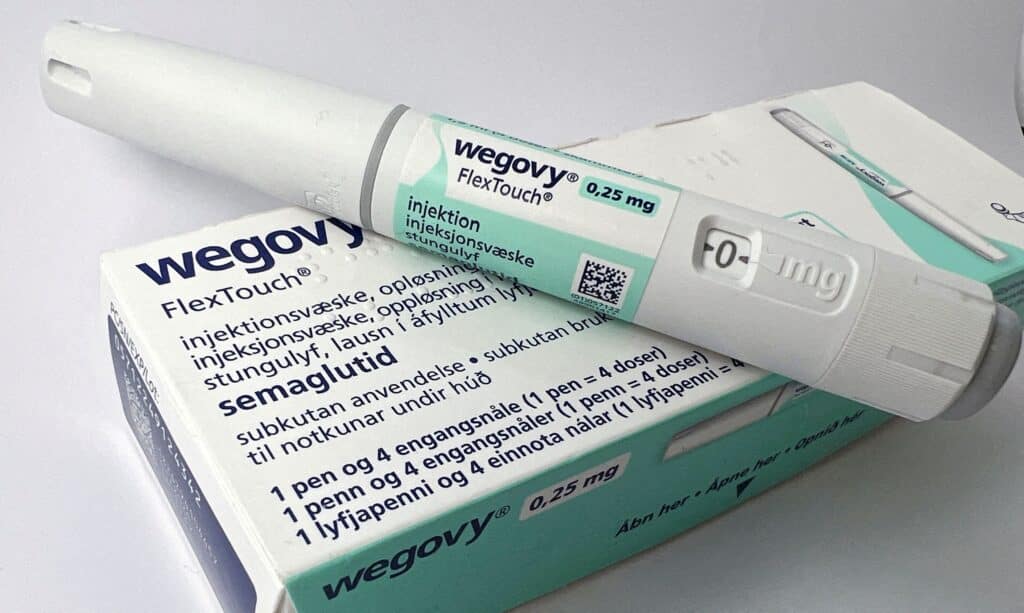
Even with the best therapies, some sagging or wrinkling can remain. Get your patients to focus on the metabolic gains, appetite suppression, and functional benefits observed in trials. Ninety-one percent experienced reduced hunger and sixty-two percent had more energy, not ideal shape.
Record this conversation and produce written informed consent materials that enumerate probable results, timing, and negatives like scarring, expense, and inconsistent longevity.
Psychological Impact
Loose skin can impact mood and body image following significant weight loss. Emotional impacts are varied, from relief and newfound confidence to new self-consciousness. Fifty-five percent of study participants experienced improved mood and forty-eight percent felt more confident.
Approximately four percent reported negative experiences associated with their excess skin. Psychosocial support should be routine: screen for distress, offer counseling, and connect patients with peer groups.
Common psychological challenges and coping strategies:
- Body image distress — cognitive behavioral therapy and mirror exposure.
- Social anxiety regarding appearance involves graded social exposure and support groups.
- Lingering disappointment despite health improvements redirects focus to function and metabolic results.
- Decision paralysis over surgery — multidisciplinary counseling and staged planning.
Risk-Benefit Balance
Clinicians need to balance significant health advantages of weight loss with risks of skin sequelae and their treatments. Surgical excision may offer dramatic aesthetic and functional improvements, though it involves anesthesia risk, wound-healing issues, and inconsistent long-term satisfaction.
Discuss healing timelines, potential staged surgeries, and the effect of ongoing weight fluctuation. Integrate weight loss medications into a comprehensive plan: combine medical therapy, nutrition, and resistance exercise to preserve lean mass and potentially improve skin tone.
Coordinate with plastic surgery for those who need removal. Trials show high retention of perceived benefits. Most participants were willing to join future studies and many attributed improvements to appetite control and clothing fit.
Nearly all on placebo lost perceived benefits after stopping active treatment, underscoring the need for long-term planning.
Long-Term Outlook
Tirzepatide can cause significant and sometimes quick weight loss. Its impact on skin in the long run varies. Skin that has been stretched out for years is less likely to snap back into position, so it’s not just how much extra weight you have, but how long you had it. Studies indicate the longer the weight has been there, the more permanently stretched the skin becomes.
Age also matters. People under 30 have a higher chance of skin rebounding. Those 30 to 50 have variable results. Those over 50 face a higher risk of lasting loose skin because natural elasticity declines.
Long-term perspective
Continue to care for your skin and live well. Consistent sunscreen, hyaluronic acid or ceramide moisturizers, and mild retinoids where indicated can assist skin integrity. Hydration, a protein-rich diet, and micronutrients like vitamin C and zinc assist collagen repair.
Low-impact strength training builds muscle beneath the skin, which tends to reduce flabbiness and sculpt better contours. Realistic examples: a 45-year-old who adds resistance training and increases protein to 1.2 to 1.6 grams per kilogram may notice firmer areas over 6 to 12 months; a 28-year-old may see similar gains faster due to better baseline elasticity.
Follow-up with clinicians lets you track changes in your skin and take action. Plan to see us every 3 to 6 months while you are actively losing weight and annually once your weight has stabilized, or more frequently if new issues emerge.
Clinicians may evaluate if loose skin is primarily excess skin that would benefit from surgical excision or if non-invasive treatments such as radiofrequency, ultrasound, or injectable collagen stimulators would be applicable. Capturing progress with photos and basic measurements, such as circumference and pinch tests, helps make changes more tangible.
Anticipate slow progress in a lot of situations, particularly with consistent work. A few individuals observe loose skin onset after a weight loss of 10 to 15 percent, approximately three to six months into treatment. For others, external changes will be subtle or striking.
Some will have pronounced looseness that impacts daily function and body image. These weight-loss study participants experienced improved physical function by walking farther, faster, and with less pain, along with other benefits in daily activities, work, and hobbies, even in the presence of loose skin.
Think big picture: weight maintenance, skin health, and overall wellness as your long-term goal. Focus on long-term weight maintenance, regular weight lifting, a nutrient-dense diet, and regular skin checks. Little, consistent steps over months and years typically result in healthier skin than quitting after fast loss.
Conclusion
Tirzepatide can shred pounds at breakneck speed and trim body fat. Skin might not snap back as quickly. Age, genetics, how much weight you lose, and how quickly you do all influence results. Build muscle with straightforward strength work. Maintain skin’s health with consistent hydration, sun protection, and quality protein. Slow down the rate of loss when you can. If you want your loose skin addressed, seek out a dermatologist or plastic surgeon for personalized options such as noninvasive skin tightening or surgery. Monitor changes with pictures and loose skin, not solely the scale. Use real examples: a person who added two strength sessions per week kept more tone. Another who spaced doses and lost 0.5 to 1 kilogram per week saw gentler skin changes. Discuss with your care team and select the plan that suits your lifestyle.
Frequently Asked Questions
Can tirzepatide cause loose skin after rapid fat loss?
Fast fat loss can cause loose skin. Tirzepatide accelerates weight loss for certain individuals, potentially increasing the risk. Skin elasticity, age, genetics, and smoking count more than the medication.
How long does it take for skin to tighten after losing weight with tirzepatide?
Skin tightening is different. Minor corrections can manifest within months, but significant adjustments can require six to twenty-four months. Younger individuals and those with good skin elasticity tend to notice quicker effects.
Can exercise reduce loose skin while using tirzepatide?
Yes. Strength training and resistance exercise build muscle beneath the skin. That can help contour your appearance in weight loss. Target consistent, incremental resistance training.
Will hydration, nutrition, or supplements improve loose skin?
Good nutrition is a factor. Protein, vitamin C, zinc, and sufficient calories all help with collagen production. Hydration is good for skin but cannot completely undo redundant skin by itself.
When is surgery the best option for loose skin after tirzepatide?
Surgery is an option when excess skin leads to physical discomfort, hygiene problems, or psychological issues and weight has been stable for six to twelve months. See a board certified plastic surgeon for evaluation.
Should I stop tirzepatide if I worry about loose skin?
Don’t stop medication without medical advice. Talk concerns with your prescribing clinician. They are able to fine tune treatment, timing, or incorporate supportive strategies like exercise and nutrition.
Are there non-surgical treatments that help loose skin after tirzepatide-related weight loss?
Non-surgical options, such as radiofrequency, ultrasound, and laser, can tighten mild to moderate laxity. Results differ and multiple sessions are typically required. Find a real dermatologist or clinic and see what they say is realistic.