Key Takeaways
- Ozempic vs. liposuction: Ozempic promotes overall weight loss over time. Liposuction delivers fast, precise fat removal.
- Each involves lifestyle modifications, such as eating a balanced diet and exercising regularly to preserve the results and improve your health.
- The efficacy of each varies with fat type, body region and individual health considerations, emphasizing the importance of tailored treatment plans.
- Liposuction eliminates subcutaneous fat in targeted body parts, whereas Ozempic might aid in decreasing visceral and subcutaneous fat.
- Pairing treatments can help you achieve even better body contouring, especially if you’re struggling with stubborn fat deposits and loose skin following significant weight loss.
- Proper evaluation of candidacy, anticipated results, recovery times, and expenses is crucial prior to deciding on a treatment plan or integrating both techniques.
Ozempic isn’t body liposuction for stubborn fat. Ozempic reduces blood sugar and can cause weight loss, but it can’t spot reduce fat.
Liposuction targets fat in specific areas of the body during a single procedure. Both options have their advantages and disadvantages.
To discover the best fit, it helps to be aware of how each works and what to anticipate throughout the journey.
Two Different Paths
Ozempic vs liposuction – the two paths when you’re looking to lose stubborn fat. One non-surgical and whole-body approach, the other surgical and spot-centric. Each has its own raw advantages, compromises and catch-up requirements. Your health, size goals and medical background usually determine which route makes sense for you.
Systemic Change
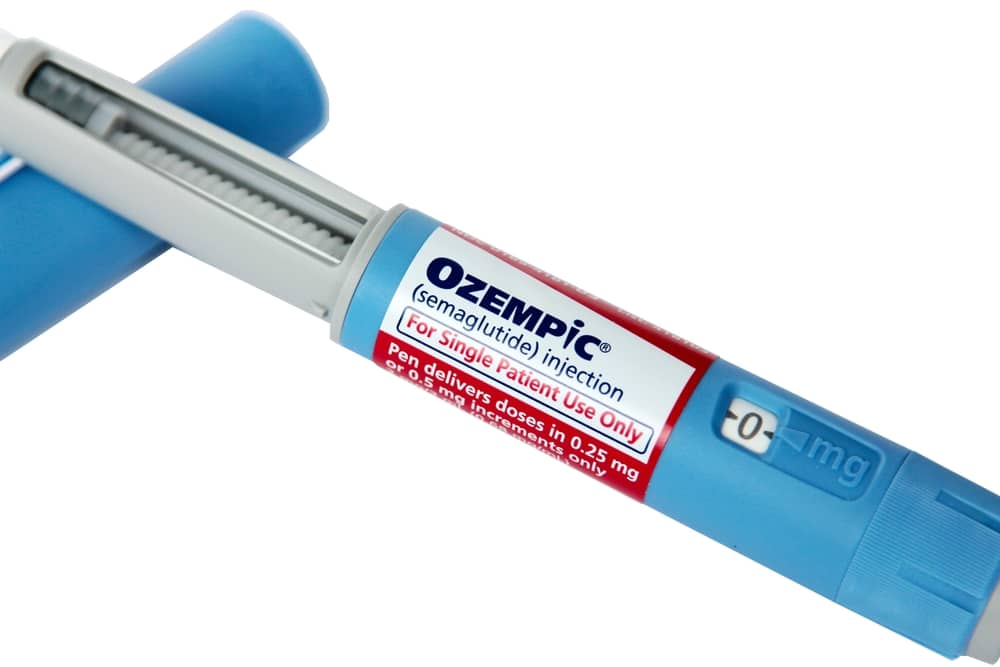
Ozempic is a once-weekly prescription drug that reduces appetite and blood sugar. It imitates a hormone named GLP-1, which suppresses appetite and decelerates the rate at which food empties from the stomach. This leads to eating less and, over time, slow, steady weight loss.
Unlike surgery, Ozempic’s impact accumulates over months. Others realize their clothes are feeling looser or their weight is falling pound by pound. The loss is slow and steady, so it’s more sustainable. Ozempic doesn’t selectively shrink fat in one localized region—it aids fat loss all over the body, so the transformation is more harmonious. Others discover that their face, waist, thighs, and arms all tone up simultaneously.
Ozempic is no silver bullet. It goes great with other healthy things, such as a bit of exercise and good nutrition. Without lifestyle changes, the results can be marginal. Some patients experience variability day to day on the drug, and sustained use may be required to maintain the effects. This results in continuous monthly expenses and medical visits.
Targeted Removal
Liposuction is a cosmetic surgery to suck fat out of specific body areas, such as the abdomen, buttocks, or chin. It’s amazing because the results are almost immediate. The swelling can take a few months to subside. The main draw is the precision: doctors can shape the body by picking which pockets of fat to take out.
Liposuction is typically the choice for people who are looking for sharper lines or have fat that just won’t respond to diet and exercise. It can be combined with other aesthetic surgeries, such as tummy tucks or lifts, for more transformative results. There are a few newer variants, such as laser liposuction, that utilize heat to assist in fat cell disruption prior to removal, occasionally facilitating smoother recovery.
Liposuction is invasive and has downtime. Most require one to two weeks to return to light activity, with full results appearing once swelling subsides. It’s a one-time fee, but maintaining the new frame implies maintaining a steady weight. If you gain weight after surgery, fat can come back in other places.
The Stubborn Fat Showdown
Ozempic vs liposuction: comparing 2 common options for stubborn fat. Each offers its own advantages, constraints, and optimal applications. Both can aid fat loss, but they operate differently and are not interchangeable. Below, a side-by-side comparison sums up their efficacy:
| Method | Mode of Action | Speed of Results | Target Fat Type | Result Permanence | Recovery Time | Cost Range (USD) |
|---|---|---|---|---|---|---|
| Ozempic | Medication; metabolic | Gradual | Visceral/Subcutaneous | Temporary if stopped | None | 800–1,400/month |
| Liposuction | Surgical; physical removal | Immediate | Subcutaneous | Lasting if weight stable | Weeks–months | 3,000–8,000+ |
1. Target Areas
Liposuction is used to sculpt particular areas such as the thighs, stomach, and arms. It gives physicians the ability to select and treat stubborn fat pockets that resist diet or exercise.
Ozempic works throughout the body. It reduces total fat but cannot be spot-focused. While some patients report additional fat loss in the belly, changes in arm or thigh fat are less clear.
Works some. Liposuction is best for stubborn fat. Ozempic aids with general fat distribution and was selected for its wide coverage. For most, the right plan is personal, taking age, health, and body goals into consideration.
2. Fat Type
Subcutaneous fat hangs beneath the skin and is what liposuction extracts. Visceral fat, deeper and around organs, increases health risks.
Ozempic acts on both types by altering how the body stores and uses fat. Liposuction can’t get to visceral fat, so it’s not for individuals seeking to reduce health risks associated with belly fat.
Ozempic could make fat cells smaller and prevent them from refilling, which aids in maintaining weight loss. When the medicine is stopped, the fat can return. While liposuction makes a clean break, it doesn’t alter the way the body produces or stores fat.
3. Result Permanence
Lipo can provide permanent results if weight remains constant. If habits change, fat can come back in other places.
Ozempic’s magic fizzles once you stop the medicine. People can gain weight back, sometimes quickly. Eating good and staying active are important for both.
It’s that making changes part of daily life that is the key to holding results.
4. Timeline
Liposuction delivers rapid transformation, yet its associated bruising and swelling can linger for weeks. The final shape won’t show for months.
Most patients bounce back within a couple of weeks, although a few require more time. Ozempic acts more slowly. Weight falls over months, not days. Both approaches require patience to achieve optimal results.
5. Cost
Liposuction has a hefty initial cost, but it’s a one-time expense. Ozempic is paid monthly and accumulates.
Insurance might cover Ozempic for some medical needs, but plenty are paying privately. It’s clever to plan for both your initial and ongoing expenses.
Loose Skin Reality
Loose skin is a harsh reality for individuals who drop a ton of weight quickly, particularly from drugs like Ozempic. After shedding 20, 30, or 50 kilos or more, the skin doesn’t always snap back to the new, smaller body. It’s witnessing arms, abdomens, thighs, and other locations. The more weight lost, the greater the threat of loose skin.
Slow weight loss allows the skin a chance to adapt. With quick weight loss, like can occur on Ozempic, the skin often doesn’t have time to keep pace. This is because skin is composed of collagen and elastin, which allow it to stretch and snap back. When the skin expands over years of weight gain, these fibers become weak. Post-rapid weight loss, the stretched-out skin can be left behind, sagging in folds.
Skin elasticity is an extremely important factor in how skin responds to weight loss. Younger individuals generally have more flexible skin, so they may experience some rebound. As we get older, the skin loses that stretch. This causes it to be less able to shrink after massive weight loss.
Other things can reduce skin elasticity, too, like prolonged sun exposure, smoking, and even genetics. Anyone who’s been holding around the extra pounds for decades isn’t going to have skin that snaps back, regardless of age. This means some might have to consider surgical options if that loose skin is bothering them.
Skin-tightening procedures encompass non-surgical therapies, but in many cases, surgery is the sole option to eliminate excess skin in significant quantities. Others rely on tummy tucks, body lifts or arm lifts to eliminate loose skin. These surgeries take away the loose skin and can make the body appear more toned.
They’re not easy remedies. Surgery has a price tag, aftercare time and risks like infection or scarring. Not everyone will take this route, but for others, it’s the only route to feel at home again in their new body. Millions of Ozempic users could be facing this reality as they look to such surgeries, especially after significant weight fluctuations.
It can play with your body image. Others are proud of their weight loss but still aren’t in love with the appearance or sensation of their skin. This can crush your self-esteem and body image and make it difficult to enjoy the rewards of weight loss.
These are universal emotions and they can affect anyone, regardless of their residence or the amount of weight they shed. Whether it’s seeking support, talking to a professional, or joining a group with others who have had similar experiences, it can help.
Candidacy Assessment
Who is a better candidate for Ozempic or liposuction is a matter of balancing health, lifestyle, and goals. Thorough examinations assist in directing the decision between drug therapy and surgery for persistent fat. Both paths have their unique needs, schedules, and precaution measures, so a well-defined plan is essential.
The Medication Route
| Criteria | Details |
|---|---|
| BMI | 30 kg/m² or higher, or 27 kg/m² with comorbidities |
| Age | Adults aged 18 and above |
| Medical Supervision | Ongoing oversight required |
| Previous Efforts | Demonstrated attempts at diet and exercise |
| No Contraindications | No history of medullary thyroid cancer or pancreatitis |
A great Ozempic plan needs to be more than injections. Diet, exercise, and routine check-ins boost results and maintain weight loss. Healthcare teams tend to craft plans that focus on nutrition, fitness, and mental health, as sustainable change rarely comes from drugs alone.
Doctors are a major factor in initiating and managing Ozempic. They check medical history, direct usage, track progress, and monitor for side effects. This advice is crucial, particularly if you have other health concerns or take various medications.
Ozempic may aid in weight loss and reduce the risk of conditions associated with obesity, such as type 2 diabetes or cardiovascular disease. It’s best in conjunction with other healthy adjustments. Some patients might have to hold the drug roughly two to three weeks before any surgery, spending that time focusing on nutrition and muscle building under the guidance of their care team.
The Surgical Route
A liposuction and body contouring fit individuals who had a steady weight for three to six months. Candidates ought to be healthy, have realistic objectives and have no significant risk factors such as blood clotting disorders. For the majority, surgeons verify candidacy at least six months following significant weight loss or the initiation of semaglutide.
Selecting a surgeon is the most important thing! Both board certification and years of experience reduce risks and increase satisfaction. These should be done only by competent and experienced surgeons.
Surgery can thin the frame and contour hard-to-tone areas. It has dangers like infection, lumpy skin, or edema. Even when all goes well, some will see mild loose skin or small asymmetries after healing.
Technologies such as BodyTite may be effective candidates for individuals with moderate laxity, occupying the gap between basic liposuction and more invasive surgeries.
Training is essential prior to any procedure. Teams go over weight stability, timing of medications, and what to expect in recovery. A lot of us ask patients to discontinue GLP-1 medications a few weeks prior to surgery to really focus on nutrition.
All of these steps assist patients in establishing candid goals and knowing what they can expect.
The Combined Approach
Combining Ozempic, a GLP-1 agonist, with liposuction provides a more balanced approach toward body transformation than either on its own. Ozempic shrinks fat cells everywhere, causing slow weight loss. Liposuction goes after the hard-to-shift deposits – the ones that don’t go away with diet and exercise – eliminating them permanently.
In unison, these techniques allow you to shed fat and sculpt your body in a more strategic manner. For instance, you could use Ozempic to reduce body fat overall and then opt for liposuction to address lingering fat in your lower belly, thighs, or arms. This two-pronged strategy gets you both healthy and hot.
A multi-pronged attack accomplishes more than just defatting. It can address loose skin, uneven contours, or muscle loss that sometimes occurs following significant weight fluctuations. Others on GLP-1 agonists report their skin doesn’t shrink back after weight loss and muscles appear smaller or less defined.
Liposuction can be combined with other surgical steps to tighten skin or fill in volume where it’s lacking. This is useful for those who have lost a significant amount of weight but still notice loose skin or uneven contours. For instance, post weight loss, you may need some hip liposuction and arm or belly skin firming.
With both treatments, doctors can sculpt the body in a way that aligns with the patient’s objectives, not just the number on the scale. The combined strategy can provide improved, longer lasting body shaping. Liposuction provides obvious results in treated areas, but Ozempic continues reducing fat in untreated areas.
This gives the body a less ‘step-ladder’ and more even appearance, and the results will maintain for years if a stable weight is maintained. A lot of our patients report that they look better in clothes and feel more comfortable in their own skin because both the fat and skin challenges get addressed in one fell swoop.
Recovery is a consideration. Most require only a week or two off after surgery, but they are back at their desks and daily activities soon. Patient anecdotes demonstrate the importance of a combined strategy. For example, individuals who shed 20 kilograms or more on Ozempic frequently discovered that certain regions, such as beneath the chin or along the waistline, clung to stubborn fat deposits or experienced skin laxity.
When coupled with liposuction and skin tightening, these individuals experienced smoother, firmer results and felt more self-assured. This is ideal for those who desire more than just fat loss and want a complete transformation of shape and contour.
Beyond The Procedure
Body sculpting with Ozempic and liposuction usually begins in the doctor’s office, yet it doesn’t end there. The results that last are rooted in lifestyle, habits, and a positive body relationship. Maintenance is about more than regular checkups. It’s about continual care, attention, and support to ensure change is sustainable.
Most of us discover that outcomes are more optimal when therapies are combined with additional health-focused measures, not quick hits. Skin elasticity, age, and body composition play a role in results, so individual plans count.
Lifestyle
- Shift to whole foods and limit processed meals
- Drink at least 2 liters of water per day
- Set a regular sleep schedule
- Avoid smoking and limit alcohol
- Build in daily movement, such as walking or stretches
- Eat balanced meals with proteins, healthy fats, and fiber
- Schedule routine health checks and track progress
Balanced nutrition and hydration are instrumental to recovery and long-term health. Water assists in healing and fuels metabolism. Lean protein, greens, and healthy oils at every meal keep your energy up and keep hunger at bay. Missing meals or hard dieting can be counterproductive and stall momentum.
Exercise is equally important. It fights off post-diet rebound fat. It turns out that something as simple as walking, cycling, or yoga does, in fact, make a difference. For the majority, it’s less about brutal workouts and more about consistent daily action.
On the whole, healthy habits shape more than your physique. They improve your mood, support your immune system and help you sleep. These transformations create pride and can enhance your reflection in the mirror.
Mindset
- Focus on progress, not perfection
- Set realistic goals and track small wins
- Be patient with setbacks
- Seek help when needed
- Practice self-kindness and gratitude
Goal setting that aligns with your life makes it simple to keep on course. Take time to celebrate the little things, such as losing a couple of centimeters, adhering to a meal plan, or even just gaining energy. These moments count and drive you.
Support from others is crucial. Most find support in groups, forums, or counseling. It’s great to be able to talk with people who know what it’s like to have those highs and lows of weight loss.
Professionals can guide you in healthy ways, particularly if you have emotional hurdles. It’s resilience that carries you past scone. Weight loss is seldom direct, and shifts in form such as slack skin or a reduced rate are typical, particularly with aging skin.
Consistency with habits, even when results taper, is what carves long-term success.
Conclusion
Ozempic and liposuction each do their thing. Ozempic reduces weight by diminishing appetite. Liposuction removes fat in specific areas. Both have defined procedures and hazards. Loose skin appears for some following rapid weight loss or fat extraction. Not everyone has the same results, so a doctor’s assistance is logical. Some attempt both for greater efficiency, but it requires a strategy. Real change stays with healthy habits and consistent maintenance after any measure. Choose what suits your objectives, well-being, and finances. Whichever path you take, it is important to deal in reality, not hyperbole. For the next step, chat with a care team or trusted sources. Pose genuine questions and experiment with what suits your body.
Frequently Asked Questions
Can Ozempic help remove stubborn body fat?
Ozempic can assist in weight loss, but it’s not spot-specific. Stubborn fat can linger despite total body weight loss as Ozempic works across the entire body.
How does liposuction differ from losing weight with Ozempic?
Liposuction extracts fat from targeted zones. Ozempic reduces body weight by modulating appetite and metabolism. Liposuction is a surgery, and Ozempic is a medication.
Will I have loose skin after using Ozempic or liposuction?
If you lose a lot of weight or get liposuction, you may end up with loose skin. It varies by age, genetics, and weight loss. See a doctor.
Who is a good candidate for Ozempic or liposuction?
Ozempic is indicated for adults with overweight or obesity, frequently accompanied by health risks. Liposuction is for those who are close to their ideal weight and have deposits of stubborn fat. Medical evaluation is required for both.
Can I combine Ozempic and liposuction for better results?
Some opt for both for even better outcomes. Ozempic helps with general weight loss and liposuction helps with targeted fat removal. Of course, always speak to a professional before mixing treatments.
Is liposuction a permanent solution for stubborn fat?
Liposuction eliminates fat cells forever from the areas it is used on. Post-procedure weight gain can cause fat to reappear in other places. Stay healthy!
What should I expect after Ozempic or liposuction?
Ozempic needs to be used indefinitely with lifestyle adjustments to maintain results. Liposuction requires downtime and potential complications. Both need follow-up with providers for best effect.